
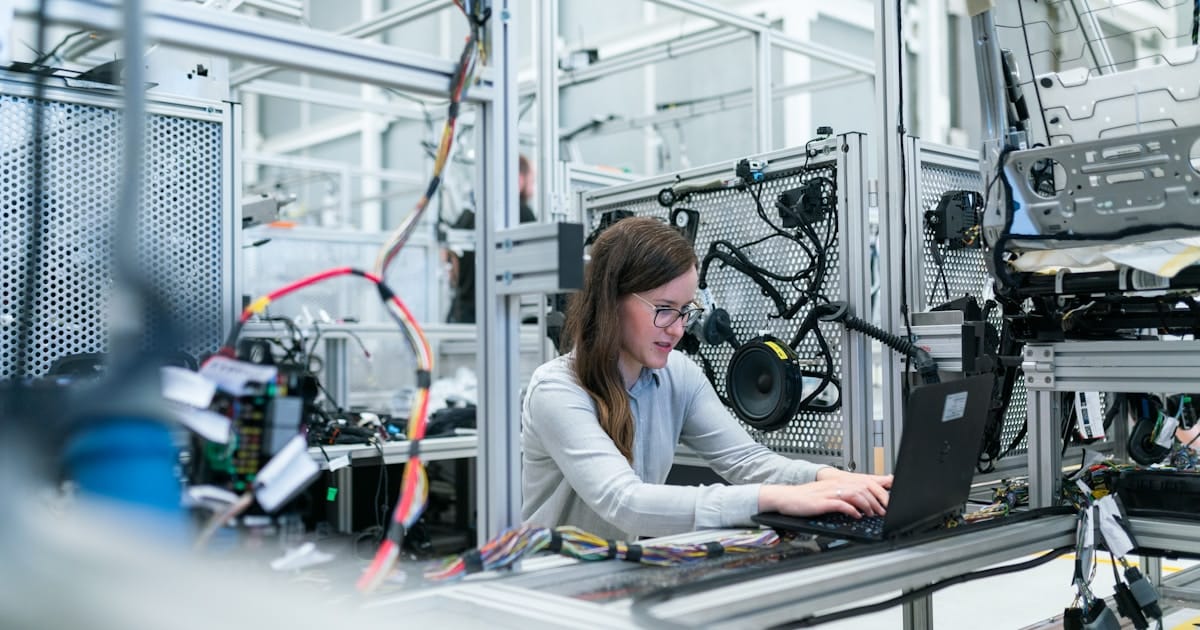
The Magic Behind the Screen: What is AI?
Imagine if your child's favorite toy could learn their name, remember their favorite games, and even suggest new stories to tell. That sounds like magic, doesn't it? In the digital world, this "magic" is called **Artificial Intelligence (AI)**.
But what exactly is it? At its simplest, AI is a type of technology that allows computers and machines to simulate human intelligence. This means they can "think," learn, and make decisions just like we do. It’s not about robots taking over the world; it’s about clever software helping us solve problems, create art, and learn faster.
For parents, understanding AI is no longer optional. It is the foundation of the world our children are growing up in. From the way they research homework to the games they play, AI is everywhere. But to truly help our kids navigate this space, we need to break down the different *types* of AI that exist today.
1. Narrow AI (ANI): The Specialist in Your Pocket

Narrow AI is the most common type of AI we use every day.
The first and most common type of AI is called **Artificial Narrow Intelligence (ANI)**, or simply **Narrow AI**. Think of Narrow AI as a "specialist." It is incredibly good at one specific task but knows nothing about anything else.
**Examples of Narrow AI your kids already use:**
- Voice Assistants: Siri or Alexa can tell you the weather or play a song, but they can't cook dinner or understand complex emotions.
- Recommendation Engines: When Netflix suggests a cartoon or YouTube shows a "Next Video," that's Narrow AI analyzing what your child likes.
- Spam Filters: Those annoying emails that get blocked before you see them? That's AI doing one job: sorting mail.
Narrow AI is "pre-programmed" to follow a set of rules and learn from patterns. It doesn't have a "consciousness" or a "mind" of its own. It’s just very, very fast at processing data to get a specific result.
2. Generative AI: The New Digital Artist

Generative AI allows kids to create anything they can imagine.
If Narrow AI is the specialist, **Generative AI** is the creator. This is the type of AI that has taken the world by storm recently with tools like ChatGPT, Midjourney, and DALL-E.
Unlike Narrow AI, which just sorts or recommends things, Generative AI *makes* new things. It can write poems, paint pictures, compose music, and even write computer code. For a child, this is like having an infinite box of Lego bricks that can build themselves based on a single sentence.
Why Parents Should Care about Generative AI:
Generative AI is changing the "How" of learning. Instead of just memorizing facts, kids are learning how to "prompt" or guide these tools to create something unique.
- ✔ Enhances creativity by removing technical barriers.
- ✔ Acts as a 24/7 tutor that can explain complex math in "pirate speak."
- ✔ Teaches critical thinking—kids must verify if the AI's output is actually correct!
At **Belmans4Kids**, we focus heavily on Generative AI because it empowers kids to become creators rather than just consumers of technology.
3. General AI (AGI): Looking into the Future
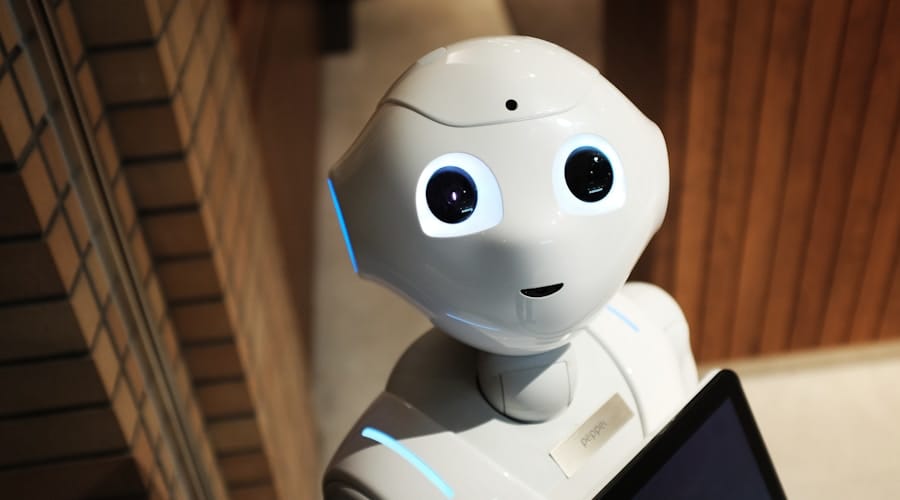
Artificial General Intelligence is still a concept of the future.
Finally, there is **Artificial General Intelligence (AGI)**. This is the stuff of science fiction—robots like R2-D2 or Jarvis from Iron Man. AGI would be an AI that can perform *any* intellectual task that a human can do. It would have the ability to learn, reason, and adapt across completely different fields without being re-programmed.
**The big catch? AGI doesn't exist yet.**
Scientists are still debating if we will ever achieve true AGI. While today's AI is incredibly powerful, it still doesn't "understand" the world the way a 10-year-old does. It doesn't have common sense or true consciousness. However, by teaching our children how AI works *now*, we are preparing them for a future where AGI might become a reality.
Try it Out: Ask the AI!
Want to see how an AI might respond to some common questions? Click on any of the questions below to simulate an AI chat!
AI Assistant
Conclusion: Preparing Your Child for the AI Era

Artificial Intelligence is the most significant technological shift of our lifetime. For our kids, it will be the "pen and paper" of their generation. It won't replace their jobs, but those who know how to use AI will certainly have a massive advantage over those who don't.
By understanding the types of AI—Narrow, Generative, and General—you can help your child see past the hype and understand the utility. Encourage them to experiment, to build, and to ask "How does this work?"
At **Belmans4Kids**, we are dedicated to making these complex topics simple, fun, and accessible for every child. The future is bright, and with the right skills, your child will be the one building it!

Kshithij Anand Belman
Tutor, Belmans4Kids
Kshithij is a passionate educator dedicated to teaching children the logic behind the screens. With a focus on 3D modelling and AI, he helps kids turn their imagination into digital reality.


