
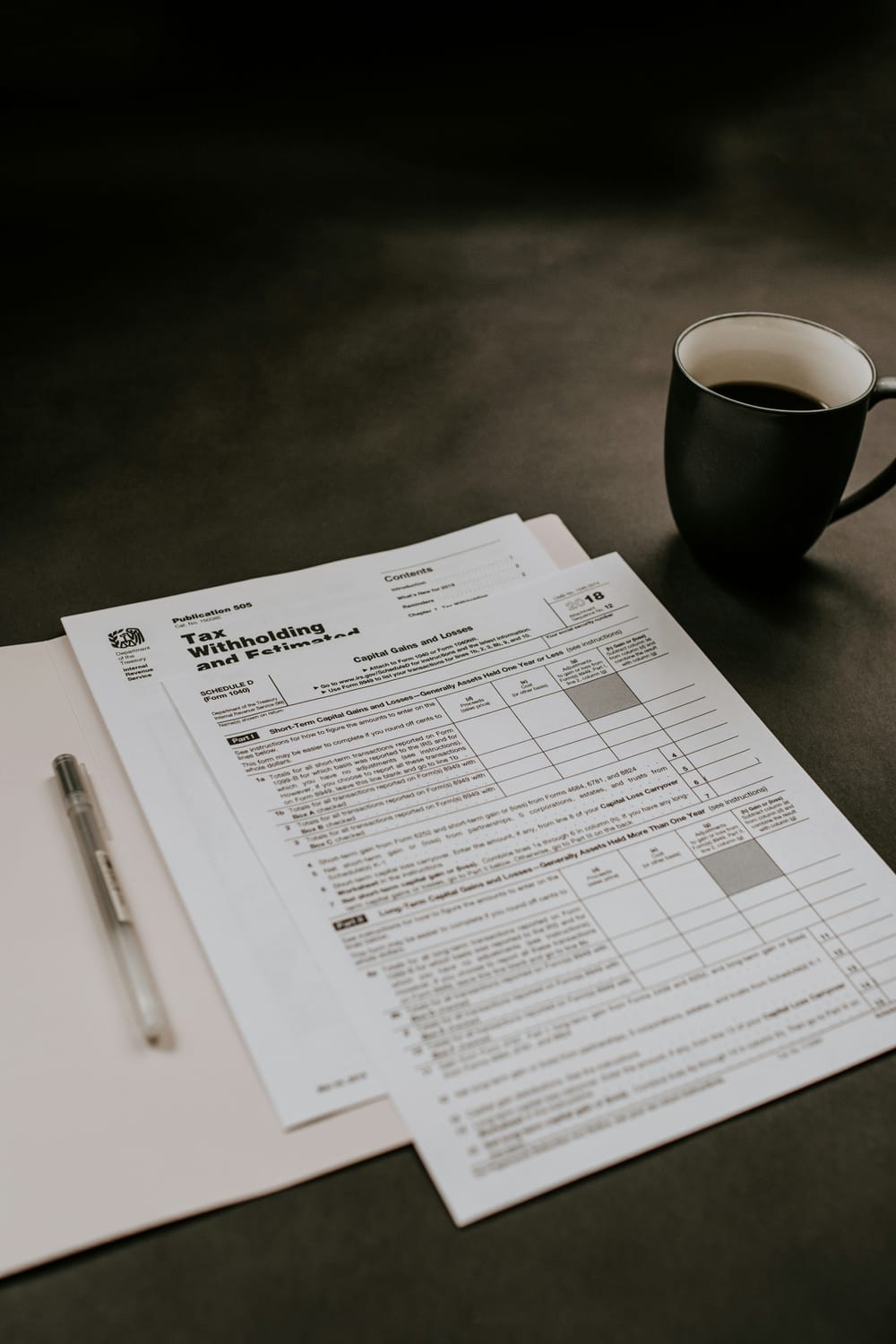
Introduction
Imagine you and your friends decide to build the world's biggest LEGO castle in the park. Everyone brings a few bricks, and together, you build something amazing that everyone can play with! This is how a community works in the real world. Instead of LEGO bricks, people contribute a small portion of their money to a "community pot" to build things that help everyone, like schools, libraries, and playgrounds.
Did you know? The word "tax" comes from the Latin word "taxare," which means "to estimate." Today, it's the engine that keeps our cities running smoothly!
1. Where Did "Tax" Come From? (A Little History)

People have been contributing to their communities for thousands of years.
The idea of contributing to a community pot isn't new! In fact, it started thousands of years ago. In Ancient Egypt, the Pharaohs didn't have paper money like we do today. Instead, they asked farmers to give a portion of their grain and harvest to the kingdom. This was used to feed workers and keep the country strong during hard times.
The word itself comes from the Latin word "taxare," which means "to estimate" or "to value." In Ancient Rome, officials would estimate the value of what people owned to decide how much they should contribute. From building the Great Pyramids to the smooth roads we drive on today, the "community pot" has been helping humans build big things together for a very long time.
2. What is Tax? (The Big Idea)
When we talk about what is tax, we are really talking about teamwork. Every time your parents get a paycheck or buy a toy for you, a small part of that money goes to the government. This money isn't just "taken away"—it is invested back into your neighborhood!
Where Does the Money Go?
Think about all the things you use every day that don't belong to just one person. Taxes pay for:
-
Smooth Roads: So we can travel safely to school or the beach.
-
Public Parks: Beautiful green spaces where we can play and run.
-
Emergency Services: Brave firefighters and police who keep us safe.
3. Common Types of Tax (And How They Work)
Just like there are different types of games, there are different types of tax that help fund different parts of our lives. Let's look at the three most common ones:
Understanding how we contribute helps us understand our world.
Income Tax: The "Earning" Tax
When adults work, they earn a salary or a paycheck. A small part of that money is set aside for the government before they even get it! This is called Income Tax. It helps pay for big things that the whole country needs, like national hospitals and the military.
Think of it like this: If you won 10 apples for winning a race, you might give 1 apple to the park keeper to keep the track clean for your next race!
Sales Tax (GST/VAT): The "Buying" Tax
In many countries like India, the UAE, and the UK, you pay a small extra fee when you buy things. In India, it's called GST (Goods and Services Tax). In the UK or UAE, it's often called VAT (Value Added Tax). If you buy a toy for $10, you might actually pay $11. That extra $1 goes to the community pot.
Example: Every time you buy a chocolate bar, you're contributing a tiny bit to help fix the roads or keep the library open.
Property Tax: The "Owning" Tax
People who own houses, apartments, or land pay a tax called Property Tax. This money usually stays very local. It's often used to pay for the teachers in your local school, the books in your local library, and the swings in your local park.
Fun Fact: This is why some schools have amazing playgrounds—local property owners are contributing to make them great!
Understanding these different ways we contribute is a key part of finance. It helps children see that every time money moves, it can also help the people around them.
Wrapping Up
🎯 Key Takeaways
- 01 Taxes are contributions that help build a better community for everyone.
- 02 Learning about income, sales, and property tax helps kids understand the world.
- 03 Early financial literacy builds confidence and smart decision-making skills.
As we move further into a digital future, understanding how these systems work becomes more important than ever. It's the foundation of being a responsible citizen and a smart money manager!
If you're ready to see your child's confidence and skills grow, belmans4kids offers online courses that make learning real-world skills fun and easy!
Created by

Trisha SS Belman
Tutor, belmans4kids
Trisha SS Belman is an 11-year-old expert Tutor at belmans4Kids, inspiring children aged 6–16 to explore the digital skills shaping the future, from Scratch and game design to app development and AI. With over 5 years of experience in digital skills and more than 10,000 hours of hands-on learning and teaching experience, she brings energy, creativity, and peer-to-peer mentorship to every session.
View Portfolio


