

Introduction: Beyond the Jargon
Have you ever looked at those mysterious, ink-stained pages handed to you at the doctor’s office and felt like you were trying to decode an ancient alien language? We’ve all been there! The medical world often feels separated from our everyday lives by a wall of high-tech machinery and even higher-level vocabulary. But what if I told you that those very papers—the ones filled with cryptic numbers and complex Latin terms—could be the ultimate "secret decoder ring" for your child’s innate curiosity?
Developing pathology report for kids literacy isn't about training mini-doctors or pathologists (though that's a cool side effect!). It's about fundamental empowerment. In today's digital age, where information is everywhere but understanding is rare, medical literacy is a true superpower. By teaching our children that health data isn't scary or "adult-only" territory, we're giving them the tools to understand their own bodies, ask the right questions, and approach the vast world of science with wide-eyed wonder.
"Health literacy is the hidden key that turns medical confusion into scientific confidence, allowing children to see themselves as active participants in their own biological story."
As parents, we strive to raise children who are critical thinkers—kids who don't just accept "because I said so" as an answer. Applying this mindset to healthcare is perhaps one of the most practical gifts we can give them. Whether it's a routine blood test or a more specialized report, viewing these documents as "data maps of the body" changes the narrative from fear to fascination. Let's dive deep into five incredible reasons why your child should become a mini-medical detective today!
1. Decoding the Language: Building Early Medical Literacy

Biology comes alive when it's personal.
The world of medicine is often hidden behind a heavy veil of complex, daunting terminology. When a child learns that "leukocytes" are just our body's brave "white cell warriors" or that "benign" means "all clear," they aren't just learning words—they’re building a massive foundation of medical literacy for children. This is about more than just vocabulary; it's about understanding the language of human life.
Think of it as learning a second language, but one that everyone on Earth speaks. If your child can understand a pathology report, they can understand a news segment on public health, a biological breakthrough in a science journal, or the fine print on a vitamin bottle. This early exposure helps children feel "at home" in clinical environments, turning what could be a stressful medical visit into a fascinating, real-time lesson in advanced biology. It prepares them for a lifetime of navigating healthcare with clarity and purpose.
Supercharged Vocabulary Boosters
Pathology reports are essentially treasure chests of linguistics. By exploring them together, you can introduce your child to the logical roots of scientific language:
-
Root Words & Logic: Learning that "Hema-" relates to blood and "-itis" indicates inflammation helps them "solve" new words in the future.
-
Contextual Science: Seeing how classroom biology (like cells and tissues) translates into actual health outcomes makes textbooks feel like instruction manuals for life.
-
Professional Confidence: When a child can use the correct term to describe a symptom or an observation, they're taken more seriously by healthcare professionals.
Transforming the Clinical Connection
By bridging the gap between the lab and the living room, we remove the "otherness" of medical settings. Children who are medically literate don't just wait for the doctor to speak; they listen to what their own body’s data is saying. This builds a profound sense of scientific self-assurance that will serve them in school, at home, and eventually in their own independent lives as adults.
2. From Fear to Facts: Reducing Medical Anxiety
Let's be completely honest: uncertainty is the single biggest fuel for fear. For a child, a medical test—whether it’s a quick blood draw or a more complex scan—can feel like a giant, looming question mark. "What are they doing?" "What does it mean if they find something?" These are heavy thoughts for little minds. However, when we show them how a report works, we are effectively replacing that giant question mark with a steady, reassuring period.

Knowledge is the ultimate shield against nervousness.
Understanding the "Why"
Most anxiety stems from not knowing the purpose of a test. When kids understand that a CBC (Complete Blood Count) is just a "roll call" for their body's different types of cells, the needle becomes much less scary.
Predictability and Routine
Familiarity breeds comfort. By reviewing reports regularly—even the "perfect" ones—you turn medical data into a routine part of life, rather than something that only appears during a crisis.
Humanizing the Process
It helps them see doctors and lab technicians as scientists who are excited about helping them stay healthy. It shifts the dynamic from being "patient and doctor" to being "co-researchers on a mission."
This psychological shift is truly massive. It fosters a sense of safety and predictability that carries through into adulthood. Children who grow up understanding their health data are far less likely to delay important screenings or avoid doctors later in life. They approach health as a manageable part of existence, not a terrifying mystery to be avoided at all costs. You’re effectively gifting them a future free from unnecessary medical phobias.
3. The Young Detective: Developing Critical Thinking Skills
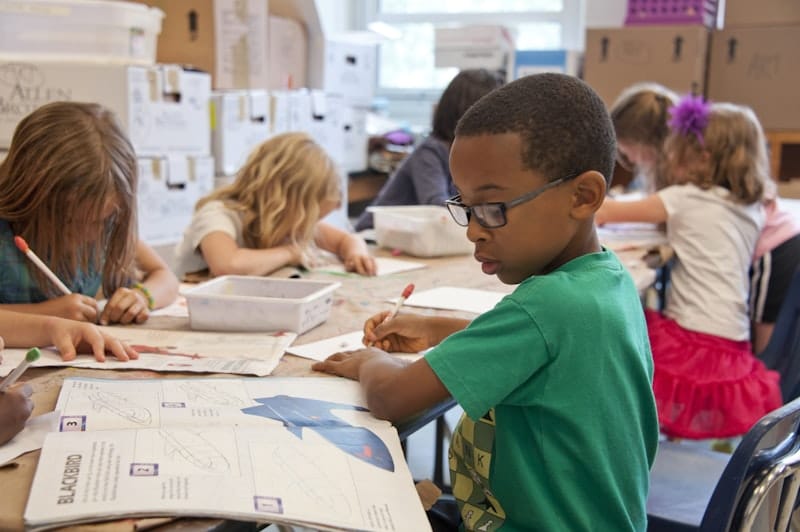
Every data point is a clue in the greatest story ever told: yours.
Every pathology report is essentially a high-stakes puzzle. "Why is this number slightly higher today than it was six months ago?" "What does this specific chemical marker mean for my overall energy levels after soccer practice?" These questions are the sparks of high-level critical thinking! When a child is presented with raw data, they aren't just passive observers anymore; they become active investigators of their own biology.
Interpreting a report requires logic, comparison against "normal" ranges, and the sophisticated ability to link cause (like a recent cold) with effect (like a slightly elevated white blood cell count). It's the ultimate real-world application of the "scientific method" that they learn in school. It takes the abstract concept of "data analysis" and makes it incredibly personal and relevant.
Pattern Recognition
Developing the ability to see how different lifestyle factors—like sleep or snacks—might reflect in their bodily data over time.
Evidence-Based Logic
Learning to rely on hard facts rather than hearsay or "gut feelings" when it comes to understanding how things work.
Comparative Analysis
Understanding benchmarks and ranges, which is a fundamental skill in everything from engineering to financial planning.
Active Inquiry
Training the brain to ask specific, meaningful questions rather than broad ones—a key trait of successful innovators.
By sharpening these skills through something as intimate as their own health, you’re prepping them to analyze data in any field they choose to pursue. Belmans4Kids provides a structured yet fun pathway for your child to master these types of analytical tools, giving them incredible confidence in the complex digital world of the future. Whether they're debugging a line of code or analyzing a lab report, the mental process of investigation remains the same—and just as powerful.
4. Responsibility & Empowerment: Owning Their Well-being

Empowering children today creates proactive, healthy adults tomorrow.
There's a very special, profound kind of pride that comes with responsibility. When a child learns to read the highlights of their own health digital records, they start to view their body not just as an appendage, but as a project they are personally in charge of. It's no longer just "Mom or Dad says I'm healthy," it's "I can see that my body is working great because of these specific results!"
This promotes a proactive, rather than a reactive, stance on long-term health. Children who are empowered with this level of health awareness are statistically more likely to make better choices about their nutrition, their sleep cycles, and their daily exercise because they can literally see the evidence-based "why" behind the advice. It turns "wellness" from a parental chore into a personal lifestyle they've actually chosen for themselves.
Imagine a teenager who understands their iron levels or vitamin D results—they are far more likely to stick to a supplement or diet plan if they’ve been part of the diagnostic process. This sense of agency is one of the most important psychological developments a child can undergo. It transitions them from someone who is taken care of to someone who cares for themselves—a vital milestone on the road to adulthood.
5. Inspiring Future Heroes: Sparking Curiosity in Healthcare
Every great surgeon, world-changing researcher, or innovative health-tech developer started their journey with a single, electrifying "Wow!" moment. For many kids today, seeing the high-precision results of a pathology test is that exact spark. It opens a door to the incredible, fast-paced world of healthcare careers for kids and personalized medicine.
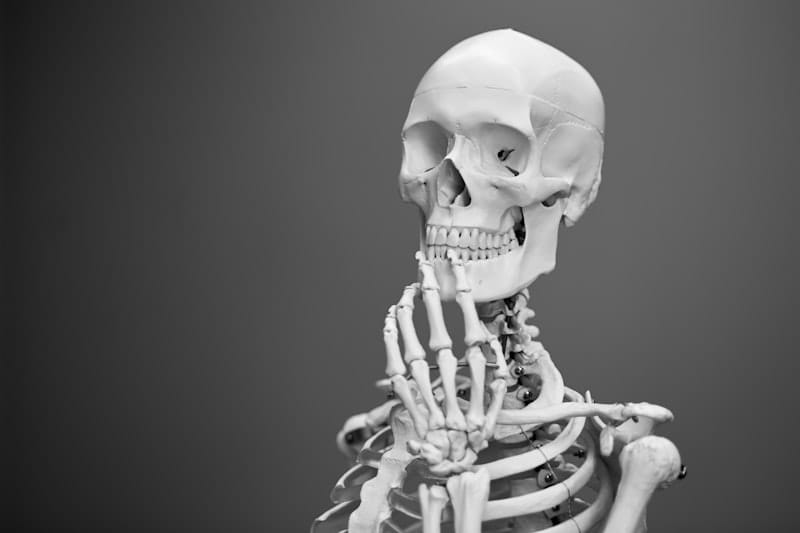
"Wait, someone actually looks at my actual cells under a powerful microscope?" "Someone wrote a complex computer program to analyze this hundreds of blood markers simultaneously?" These realizations are the seeds of grand ambition. We are living in an era where AI is revolutionizing pathology, where researchers are developing personalized cures based on individual data, and where the next generation of healers will be as much technologists as they are doctors.
By making medical science accessible today, we're planting the trees of innovation for a healthier tomorrow. Whether your child ends up in a high-tech lab, a busy city hospital, or a pioneering biotech startup, the curiosity sparked by a simple pathology report could be the beginning of an amazing, life-changing journey. They learn that science isn't just something that happens in a lab in another city—it's something that is happening right now, inside their own heart, their own blood, and their own future.
Wrapping Up: The Gift of Knowledge
As we look toward 2026 and even further into the 21st century, the ability to understand and interpret complex data is becoming a mandatory life skill, not just an optional one. Teaching our children the basics of a pathology report for kids is about so much more than blood counts or biopsy results—it's about raising curious, confident, and future-ready humans who aren't afraid of the "hard" sciences.
🎯 Key Takeaways for Busy Parents
- 01 Medical literacy is a primary shield that replaces medical fear with deep scientific curiosity.
- 02 Critical thinking and analytical skills are sharpened through real-world, personal data investigation.
- 03 Early empowerment leads to a lifetime of proactive, responsible, and healthy choices for your child.
It’s an incredibly exciting time to be a young learner! If you're ready to see your child's imagination and confidence soar to new heights, Belmans4Kids offers a gateway to these essential digital and scientific skills. Our courses are specifically designed to turn every child from a consumer into a creator and a profound thinker.
"If you're ready to see your child's imagination come to life through the lens of science and tech, Belmans4Kids offers an online enrollment—a perfect, risk-free way to start their journey toward mastering the world of tomorrow!"
Expert Insight Provided By

Kshithij Anand Belman
Tutor, Belmans4Kids
Kshithij is a dedicated Tutor at Belmans4Kids, empowering children aged 6–16 with essential digital and scientific skills—from pathological medical literacy and biology to app development and AI. He is passionate about making complex science fun, accessible, and deeply engaging for the next generation of innovators.
View Portfolio


