
Introduction
Have you ever watched your pet dog tilt its head when you talk, or noticed how children on a playground seem to follow unwritten rules of social engagement? This is the fascinating world of ethology—the scientific study of behavior. While it might sound like a subject strictly for university professors, reading ethology reports for kids is actually a powerful way to unlock their natural curiosity about the world. For parents like you, teaching your child to decode these reports isn't just about science; it's about giving them a lens to see the "why" behind every action they observe in nature and in themselves.
"Ethology is the bridge between what we see and what we understand about the living world. For a child, it's the ultimate 'secret code' for survival and social connection."
As we navigate a world where understanding human and animal patterns is becoming increasingly vital for conservation, psychology, and even digital interaction, ethology provides a grounded foundation. By exploring these reports, children learn that behavior isn't random; it's a response to the environment, a method of communication, and a fascinating puzzle waiting to be solved. In this guide, we'll dive deep into why this skill is a game-changer for your child's development.
1. Improving Observation Skills and Patience
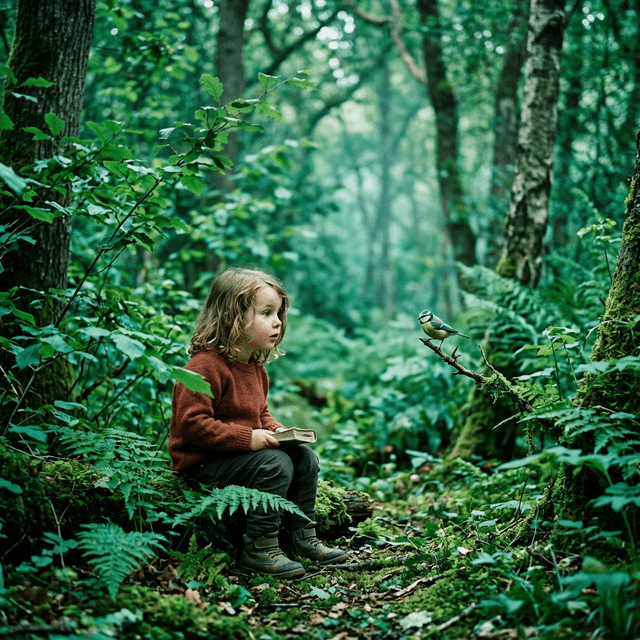
Learning to wait and watch is the first step of a young ethologist.
One of the most immediate benefits of reading ethology reports for kids is the dramatic improvement in their ability to observe. Modern life is fast, and children are often surrounded by quick-cutting videos and instant gratification. Ethology, however, requires stillness. A report might describe how a bird spent four hours building a nest, or how a group of monkeys negotiated who gets the best fruit. When children read these detailed accounts, they begin to value the tiny details that most people miss.
The Power of the Ethogram
An ethogram is a catalog of all the different behaviors an animal exhibits. When kids see how scientists categorize "scratching," "posturing," or "vocalizing," they start to apply this systematic approach to their own lives. They don't just see a dog "playing"; they see "tail wagging at 45 degrees," "ears tucked," and "the play-bow position."
-
Develops "Wait-and-See" patience for complex situations.
-
Heightens awareness of environmental cues and triggers.
-
Teaches the value of "slow data" in a fast-paced world.
This heightened observation naturally spills over into their schoolwork and social interactions. A child who is trained to look for subtle cues is less likely to misread a situation and more likely to identify patterns in complex subjects like history or biology.
2. Decoding Emotions and Social Dynamics
Ethology and psychology are deeply intertwined. By understanding animal behavior, children gain a mirror to understand human behavior. An ethology report often explains why an animal is behaving in a certain way—is it scared, is it defending its territory, is it trying to make friends? Understanding these drivers helps children develop empathy and emotional intelligence.
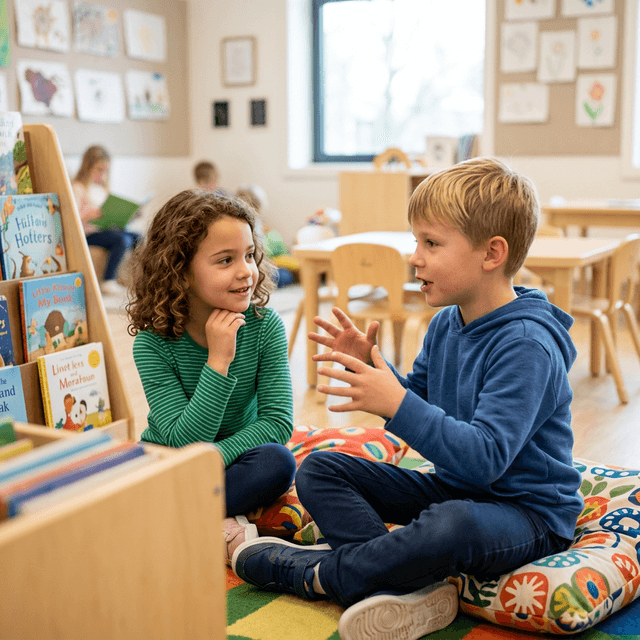
Human social behavior is just as fascinating as any animal report.
Identify Body Language
Kids learn that communication is 90% non-verbal. They start noticing eye contact, stance, and proximity during reports.
Understand Triggers
Reports highlight "Action-Response" chains. This helps kids realize that someone's "mean" comment might be a defensive reaction to feeling insecure.
Empathy for the Unseen
By reading about how a lonely animal seeks companionship, kids can better relate to a new student in class who seems shy.
In India and the UAE, where diverse social environments are common, being able to read "silent cues" is a massive advantage for any growing child. It fosters a level of social grace and understanding that is rare in young learners.
3. Encouraging Scientific Thinking and Curiosity
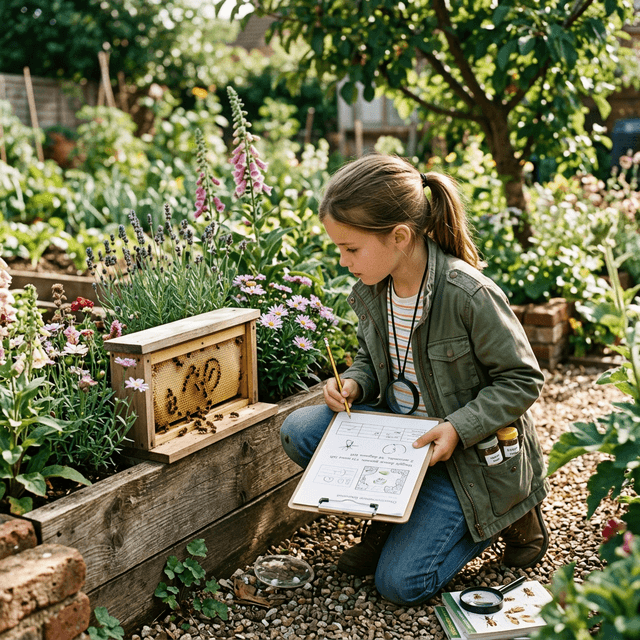
The scientific method starts with a simple "I wonder why..."
Ethology is the "gateway drug" to the scientific method. Unlike abstract physics or complex chemistry, behavior is something children see every day. When they read an ethology report, they are seeing the scientific method in action: Hypothesis (I think the cat is hiding because it's cold), Observation (The cat only hides when the AC is on), and Conclusion (The cat is seeking warmth).
Hypothesis Training
Kids learn to make educated guesses about world patterns.
Data Interpretation
Understanding charts and timing logs found in reports.
Critical Logic
Differentiating between coincidence and cause-and-effect.
Systems Thinking
Seeing how one individual's behavior affects the whole group.
Belmans4Kids provides a structured yet fun pathway for your child to master these tools, giving them confidence in the digital world where data and logic rule. By teaching them to analyze natural systems, we prepare them for the complex systems of the future.
Furthermore, critical reading skills are sharpened when kids tackle ethology reports. These documents often use precise language. Instead of saying "the animal moved," the report might say "the subject traversed the perimeter." This vocabulary expansion, combined with the need to extract key facts from dense text, builds a level of literacy that goes far beyond standard schoolbooks. They learn to separate evidence-based statements from speculative ones—a skill that is absolutely essential in the age of misinformation.
Wrapping Up
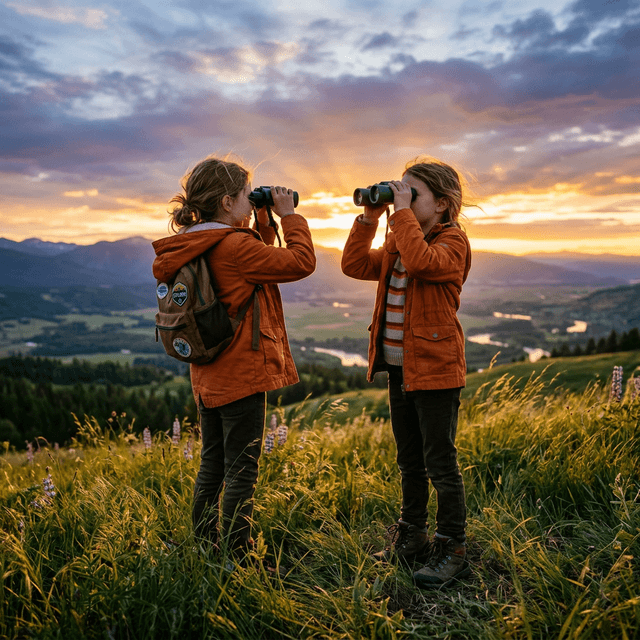
A world of discovery awaits those who know how to look.
🎯 Key Takeaways
- 01 Observation: Children learn to see detail where others see noise.
- 02 Empathy: Decoding behavior leads to better emotional intelligence.
- 03 Science: Ethology is the practical foundation for STEM and psychology.
As we look toward 2026 and beyond, the ability to analyze and understand complex systems—whether biological or digital—is the most valuable skill we can give our children. Reading ethology reports for kids is more than just a science exercise; it's a way to foster curiosit, analytical rigor, and a deep-seated respect for the complexity of life. Whether your child grows up to be a biologist, a psychologist, or a software engineer, the lessons learned from observing and reporting behavior will stay with them forever.
If you're ready to see your child's imagination come to life through the lens of science, Belmans4Kids offers an online enrollment — a perfect, risk-free way to start!
Created by

Kshithij Anand Belman
Tutor, Belmans4Kids
Kshithij Anand Belman is an expert Tutor at Belmans4Kids, giving every child aged 6–16 access to the digital skills that will shape tomorrow — from psychology and behavior to app development and AI. He's passionate about making tech education fun, accessible, and empowering for young learners across India, UAE, and Europe.
View Portfolio


