
Introduction
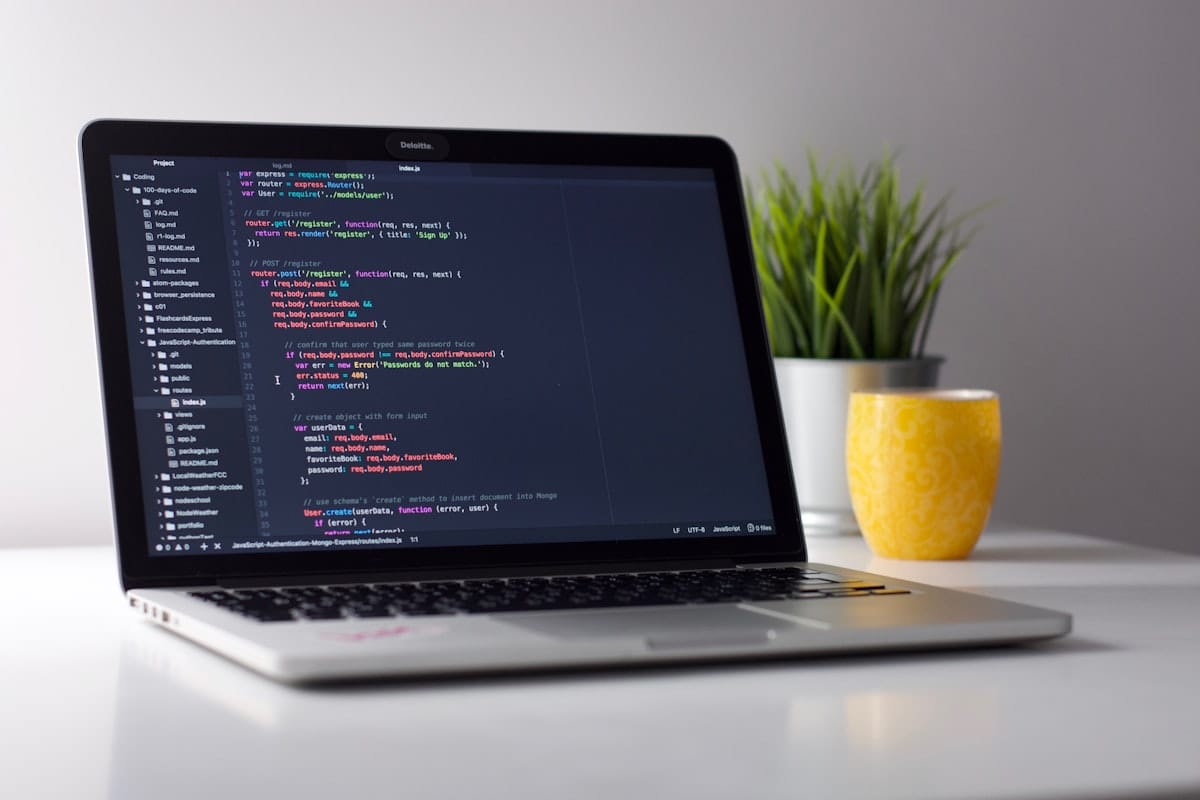
Imagine your child facing a complex, high-stakes puzzle where every move requires careful deliberation and foresight. This isn't just a game; it's the reality of the 21st-century digital landscape. As parents, we often wonder how to best prepare our children for a future where technology is woven into every thread of society. The answer lies not just in using technology, but in understanding its foundational logic. This is where programming and critical thinking for kids intersect to create a powerhouse of cognitive development.
Programming is far more than just writing lines of code; it is a structured way of thinking that teaches children how to approach problems with a calm, analytical mindset. Whether they are in India, the UAE, or Europe, children who learn these digital skills are not just preparing for careers in tech—they are sharpening their ability to reason, innovate, and solve real-world challenges. In this guide, we'll explore how coding serves as a "gym for the brain," fostering a level of critical thinking that traditional subjects often miss.
"Coding is the literacy of the 21st century, but more importantly, it is the fundamental tool for building logical resilience in young minds."
1. The Logic of Code: Breaking Down Complexity
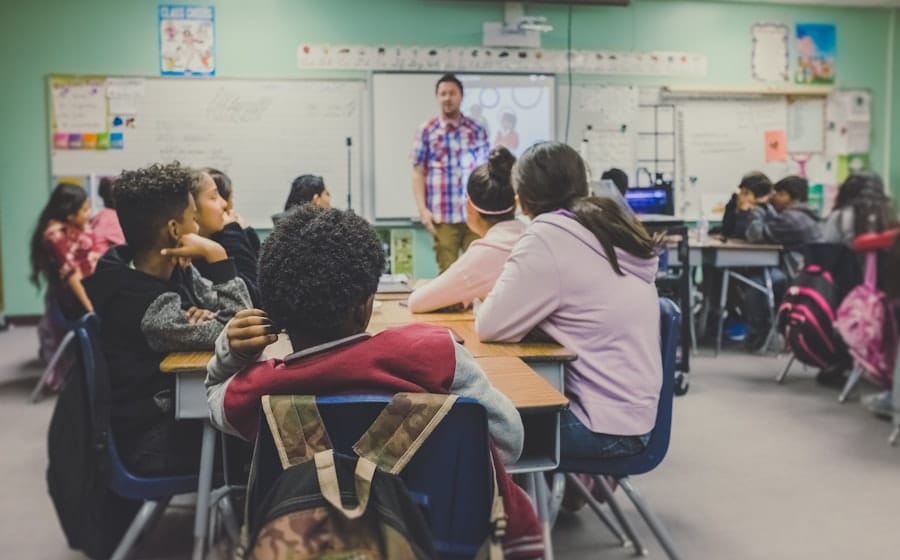
Focused analysis leads to brilliant solutions
One of the primary ways programming and critical thinking for kids manifest is through the process of decomposition. In coding, a large project—like building a game or an app—can feel overwhelming. Programming teaches children to take that "giant" and break it into small, manageable "bite-sized" pieces. This skill is directly transferable to school projects, personal goals, and later, professional challenges.
Computational Thinking in Action
When a child writes a script to make a character jump, they aren't just clicking buttons. They are thinking about physics, timing, and sequence. This requires a level of detail-oriented thinking that builds cognitive endurance. Here are a few ways this helps:
-
Pattern Recognition: Identifying recurring elements to simplify solutions.
-
Abstraction: Focusing on what truly matters and ignoring distractions.
-
Algorithmic Design: Creating a step-by-step plan for any outcome.
Real-World Application
By learning to decompose problems in code, children begin to view the world through a lens of possibility. A math problem is no longer a roadblock; it's a series of steps. A science experiment isn't just a list of instructions; it's a logical flow to be optimized. This is the heart of problem solving skills for kids.
2. Iterative Problem Solving: The Power of Debugging
In traditional education, errors are often seen as failures. In programming, an error is simply a "bug"—a puzzle piece that hasn't quite fit yet. This shift in perspective is revolutionary for a child's emotional and cognitive development. It fosters logical reasoning for kids by making the process of "trial and error" structured and rewarding.
Turning 'I can't' into 'I'll fix it'
Observation and Diagnosis
Instead of giving up, kids learn to observe exactly where the program fails. They become digital detectives, looking for clues in the logic.
Testing Hypotheses
"If I change this variable, what happens?" This is the scientific method in its purest form, applied to a project they care about deeply.
Resilience and Persistence
Fixing a bug after multiple attempts provides a massive confidence boost. This resilience is a key component of critical thinking.
When kids realize that they have the power to fix what is broken, they stop being passive consumers of technology and start being its master. This "debugging mindset" is what differentiates a future leader from a spectator.
3. Creative Application: Building a Better World

Collaboration and creativity drive real innovation
True critical thinking isn't just about solving a problem that's given to you—it's about identifying a problem that hasn't been solved yet. At Belmans4Kids, we encourage children to build projects that matter to them. This creative freedom forces them to think about user experience, efficiency, and impact.
Ideation
Brainstorming unique solutions to everyday challenges through code.
Peer Review
Learning to give and receive constructive feedback on logic and design.
Deployment
Seeing their ideas go live and understanding the real-world impact.
Ethics
Thinking about the social responsibility that comes with building technology.
Belmans4Kids provides a structured yet fun pathway for your child to master these tools, giving them confidence in the digital world. By connecting code to creativity, we ensure that their critical thinking skills aren't just theoretical—they are practical and powerful.
Wrapping Up

The joy of achievement through logical effort
🎯 Key Takeaways
- 01 Programming teaches children how to decompose large, scary problems into small, logical steps.
- 02 The "debugging" process builds emotional resilience and a systematic approach to fixing errors.
- 03 Learning to code early provides a cognitive advantage that extends far beyond computer science.
As we look toward 2026 and beyond, the ability to think critically will be the most valuable currency your child can hold. By investing in programming and critical thinking for kids today, you are giving them the keys to a future where they can lead, create, and thrive. The world doesn't need more consumers; it needs more thinkers who can use technology to build a better tomorrow.
If you're ready to see your child's imagination come to life through logical power, Belmans4Kids offers an online enrolment — a perfect, risk-free way to start!
Created by

Kshithij Anand Belman
Tutor, Belmans4Kids
Kshithij Anand Belman is an expert Tutor at Belmans4Kids, giving every child aged 6–16 access to the digital skills that will shape tomorrow — from programming and game design to app development and AI. He's passionate about making tech education fun, accessible, and empowering for young learners across India, UAE, and Europe.
View Portfolio


