
Introduction
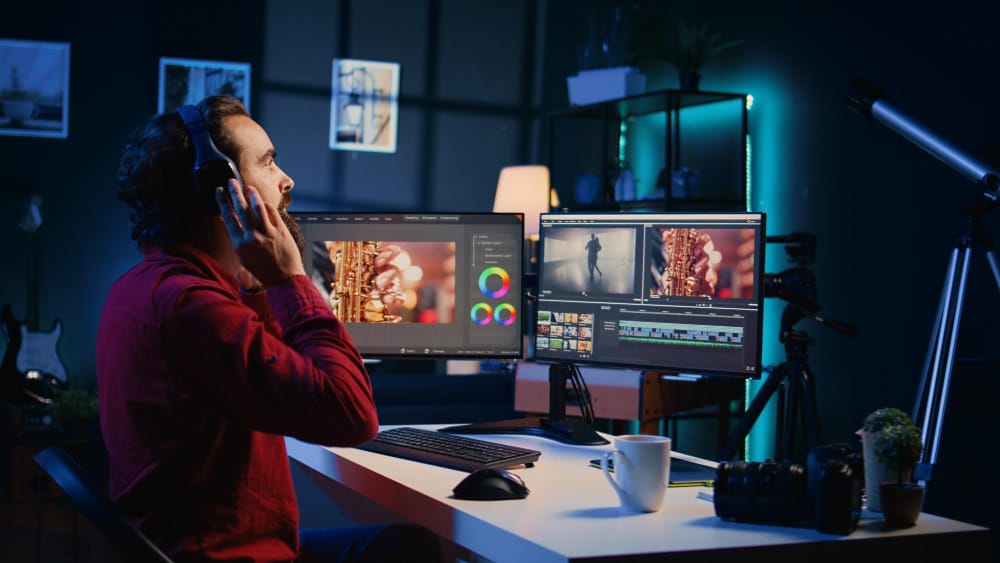
If your child loves drawing or spends hours watching animated videos, they already have the foundation for a highly sought-after digital skill. Motion graphics is simply graphic design in motion—where static shapes, illustrations, and text come alive on the screen. For parents across India and the UAE, introducing kids to this creative field transforms passive screen time into an active, confidence-building educational experience.
In today's fast-paced digital world, visual communication has become more important than ever. From the apps we use to the educational videos our children watch in school, animation is everywhere. By teaching kids how these visuals are created, we give them a peek behind the curtain of the digital age, turning them from spectators into innovators.
"When children learn to animate their ideas, they shift from consuming digital content to actively creating it, boosting their problem-solving skills along the way."
Digital literacy is no longer optional in 2026.
Motion design bridges art and engineering.
Learning depth and motion in digital space.
1. The Magic of Bringing Art to Life

Turning simple drawings into moving masterpieces
Understanding graphic design for kids starts with realizing that art and technology are deeply connected. While traditional drawing teaches children about colour, proportion, and form, motion graphics introduces the dimension of time. It's the difference between drawing a bouncing ball and actually making it bounce realistically across the screen.
This leap from static art to motion is where the "magic" happens. For a child, seeing their own drawing take its first steps or fly across the screen is an empowering moment. It validates their creativity and shows them that their ideas can have physical impact in the digital realm. This transition also requires a deeper understanding of observation—how things move in the real world vs. how they move on screen.
Visual Storytelling
At its core, motion graphics is about telling a story without words. When kids learn how to sequence their designs, they learn how to communicate complex ideas visually, a crucial skill in our modern, media-driven world.
-
Enhances logical thinking by organizing scenes into a cohesive narrative sequence.
-
Teaches extreme focus and patience as they fine-tune keyframes for smooth motion.
-
Builds spatial awareness by teaching how objects interact within 2D and 3D environments.
By mastering these elements, children don't just become better artists—they become better communicators. They learn to consider their audience, think about pacing, and use motion to evoke specific emotions.
2. How Motion Graphics Develops Critical Thinking
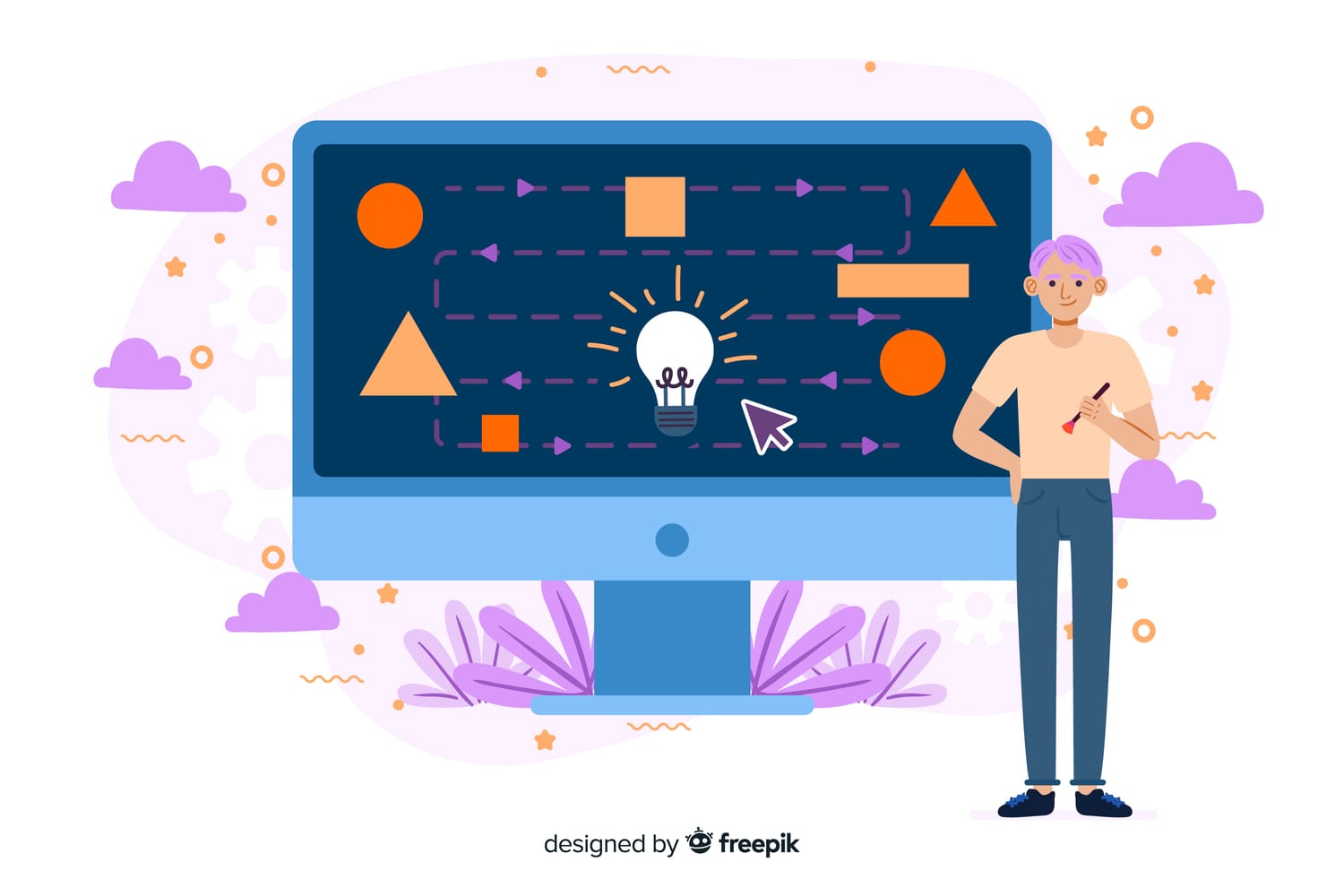
Applying professional workflows to creative play
Planning & Storyboarding
Before a single pixel moves, kids must plan. They sketch thumbnails and write short descriptions. This "pre-production" phase is where they learn to architect their thoughts and anticipate challenges before they happen.
Asset Creation & Design
Here, they create the individual components—characters, buttons, and backgrounds. This hones their kids graphic design eyes, teaching them about colour contrast and typography. They learn that every design choice has a purpose.
Animation & Logic
The final stage is where motion is born. Using timelines and coordinates, they program the movement. This is high-level problem solving: "If I want the rocket to land slowly, how do I ease the motion curve?" it's math in disguise!
This entire process replicates the standard industrial workflow used by studios like Pixar or Marvel. By exposing children to these systems early, we prepare them for the rigour of professional environments while keeping the spark of fun alive.
3. Simple Ways to Nurture Their Inner Designer

Fostering creativity at home
You don't need a high-end production studio to get started. Here are four practical ways to encourage your child's journey into the world of motion and design:
Digital Sketching
Encourage them to move from paper to a tablet. Digital tools allow for infinite experimentation without the fear of "making a mistake" that can't be undone.
Motion Observation
Watch cartoons together and ask: "How did that character move?" Developing a "designer's eye" is the first step toward creating great work yourself.
Creative Challenges
Give them small tasks, like "animate your name" or "make a holiday card." Small, successful wins build the confidence to try bigger projects.
Sharing Work
Show their animations to family. Positive feedback is the best fuel for creative growth. It turns their digital effort into social pride.
Beyond these tips, the most important thing is to provide a safe space for exploration. Design is a journey of iteration, and failure is just a step toward a better version.
Belmans4Kids provides a structured yet fun pathway for your child to master these tools, giving them confidence in the digital world through expert-led sessions that turn curious kids into confident creators.
Wrapping Up

Key Takeaways
Motion graphics bridges the gap between purely artistic drawing and highly technical digital engineering.
By learning the design process early, children develop structural thinking skills that apply to all STEM subjects.
Creative digital skills provide a future-proof foundation for the evolving job market of 2026 and beyond.
As we look ahead, the ability to communicate ideas visually using motion graphics will be an essential tool for young creators. It empowers them to shape the world's narrative, one frame at a time.
If you're ready to see your child's imagination come to life, Belmans4Kids offers an online enrollment — a perfect, risk-free way to start their creative journey!
Created by

Kshithij Anand Belman
Tutor, Belmans4Kids
Kshithij Anand Belman is an expert Tutor at Belmans4Kids, giving every child aged 6–16 access to the digital skills that will shape tomorrow — from animation and game design to app development and AI.


