
1. The Secret Language of Computers
Every time you tap an icon, type a message, or jump in a game, your computer is making billions of split-second decisions. But have you ever paused to think about *how* it decides?
Unlike humans, computers don't have feelings or gut instincts. They don't "guess." Instead, they use a crystal-clear system called logic gates. These tiny electronic gateways are the reason your laptop can handle homework and high-speed videos at the same time without breaking a sweat!
"Computers are not magical machines. They are simply incredible at following billions of logical rules faster than we can blink."
In this guide, we're going to pull back the curtain on these silent workers. You'll learn exactly how three basic shapes can build the most powerful AI systems in the world today.
2. What Is a Logic Gate?
Think of a logic gate as a super-smart traffic officer living inside a microchip. Its only job is to look at the signals coming in and decide whether to let a signal go out.
The Golden Rule: Input → Decision → Output
Everything in the digital world is a binary choice: True or False, On or Off, 1 or 0. Logic gates are the tools that process these choices by the trillions every single second.
3. The Strict AND Gate

The AND gate is the strictest gate in the computer. It's like a security door that requires two different keys to turn at the exact same time. If even one key is missing, the door stays shut.
🌟 Real-Life Example:
"You can go outside to play ONLY IF your homework is done AND your room is clean."
If either task is unfinished, the gate sends a "No" signal!
4. The Flexible OR Gate
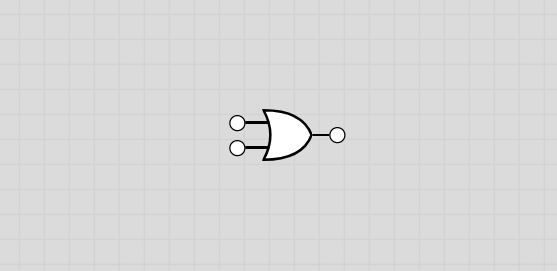
Unlike the AND gate, the OR gate is very relaxed. It works like a friendly host who lets you into the party as long as you have at least one invitation.
🏠 Real-Life Example:
"You can enter the house if you have the physical KEY or your FINGERPRINT works."
As long as one of those is true, the OR gate says "Yes"!
5. The Opposite NOT Gate
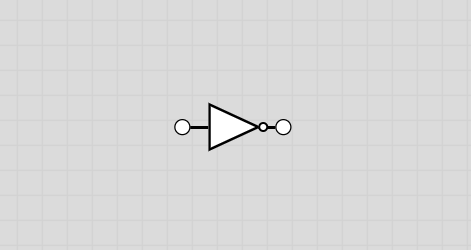
The NOT gate is the trickster of the bunch. Whatever you tell it, it does the exact opposite! Scientists call this an "Inverter" because it flips the signal upside down.
🚨 Real-Life Example:
"If a door is NOT locked, the security alarm triggers."
Even though it seems simple, the NOT gate is incredibly important for error checking and making sure computers don't accidentally run two conflicting programs at once!
6. How Transistors Build Logic Gates
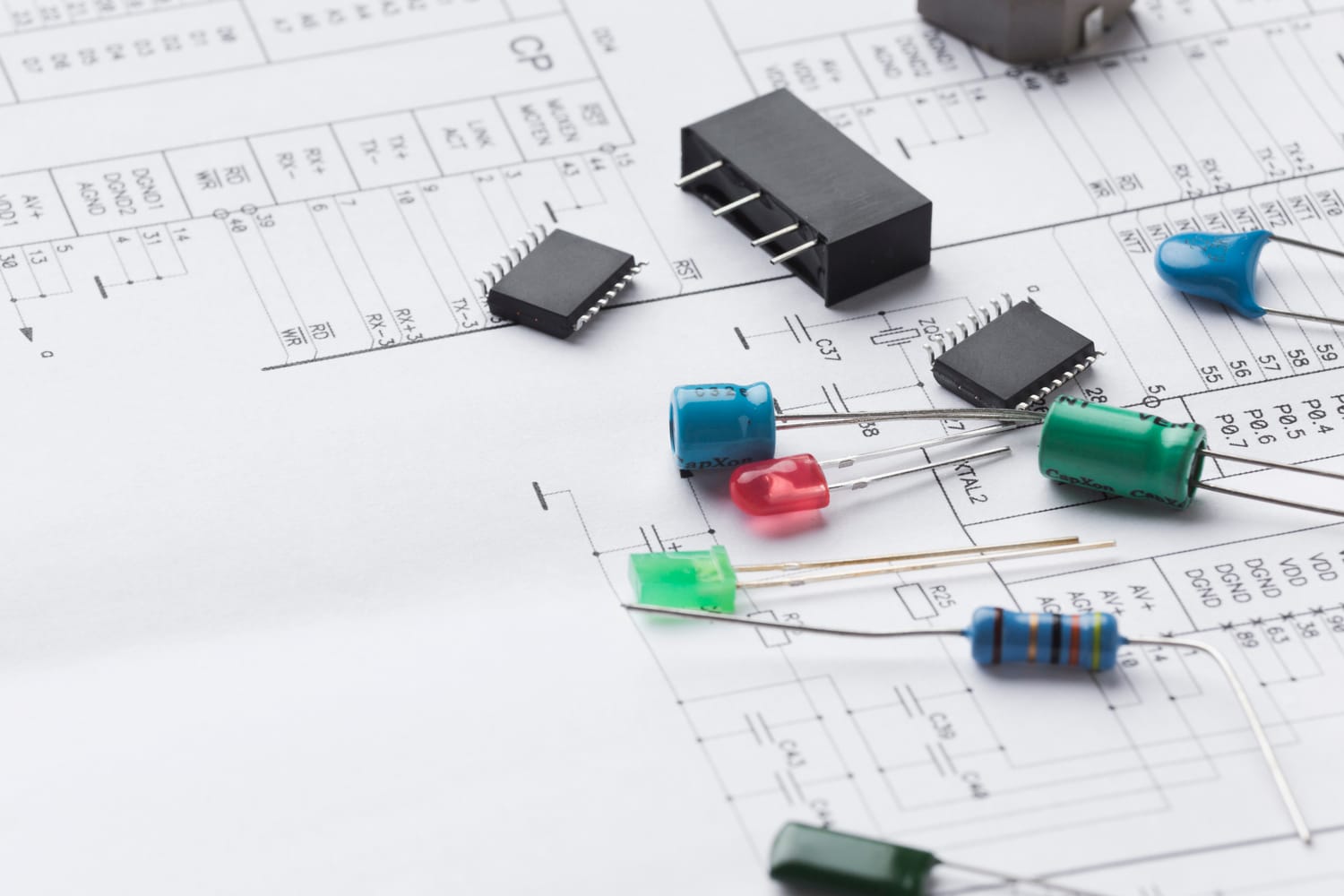
Logic gates aren't just shapes on a chalkboard—they are real physical objects! Inside every phone and iPad, there are billions of tiny components called transistors.
- The Tiny Switches: Transistors act like microscopic light switches, turning on and off to let electricity flow.
- Teamwork: By grouping these switches together in specific patterns, we create the physical version of AND, OR, and NOT gates.
- Semiconductors: These are made of special materials (like silicon) that can either block electricity or let it through. This is why you'll often hear about semiconductor when learning advanced robotics!
- Massive Scale: A modern CPU (the computer's brain) can fit over 50 billion of these gates on a piece of material smaller than your fingernail!
7. Why Logic Gates Matter in Our World
You might think these simple rules only apply to science labs, but they are actually running your entire life! Every digital interaction you have is just a massive tower of billions of logic gates working together.
Calculators
Every time you type `2+2`, thousands of gates work together to verify binary math and output the correct pixel data for the number `4`.
Smartphones
Your phone uses logic gates to decide when to show a notification, how to connect to Wi-Fi, and even how to recognize your voice.
AI Systems
Artificial Intelligence uses "neural networks" which are essentially massive chains of logic gates learning to make human-like decisions.
Social Media
Algorithms use OR and AND gates to determine which videos you like and what to show you next in your feed!
At belmans4kids, we believe that understanding these "under the hood" basics gives children a massive advantage. Instead of just being consumers of technology, they become the ones who understand how to build it!
8. Wrapping Up: Logic vs Magic
We've explored how simple rules and tiny switches create the incredible technology we use every day. From the strict AND gate to the flexible OR gate and the flipping NOT gate, you now know the secret language of computers!
📝 Key Takeaways
Logic Gates: These are the simple electronic circuits that make every single decision inside a computer.
Binary Rules: Binary choices like Yes/No or On/Off are the secret foundation of all modern apps and games.
Power in Scale: High-tech devices like smartphones and AI are built from billions of these simple gates working together.
Ready to turn your child's curiosity into a superpower? Join belmans4kids today and empower them to build the technology of tomorrow!
Created by

Trisha SS Belman
Tutor, belmans4kids
Trisha SS Belman is an 11-year-old expert Tutor at belmans4Kids, inspiring children aged 6–16 to explore the digital skills shaping the future, from Scratch and game design to app development and AI. With over 5 years of experience in digital skills and more than 10,000 hours of hands-on learning and teaching experience, she brings energy, creativity, and peer-to-peer mentorship to every session.
View Portfolio


