
Introduction
In today's hyper-digital world, children are growing up surrounded by screens. From tablets to smartphones, they spend hours every day immersed in digital content. But for most, this is a passive experience—they aren't creating; they are consuming. The real question every parent should ask is: "Is my child just a spectator of the digital age, or are they learning to build it?"
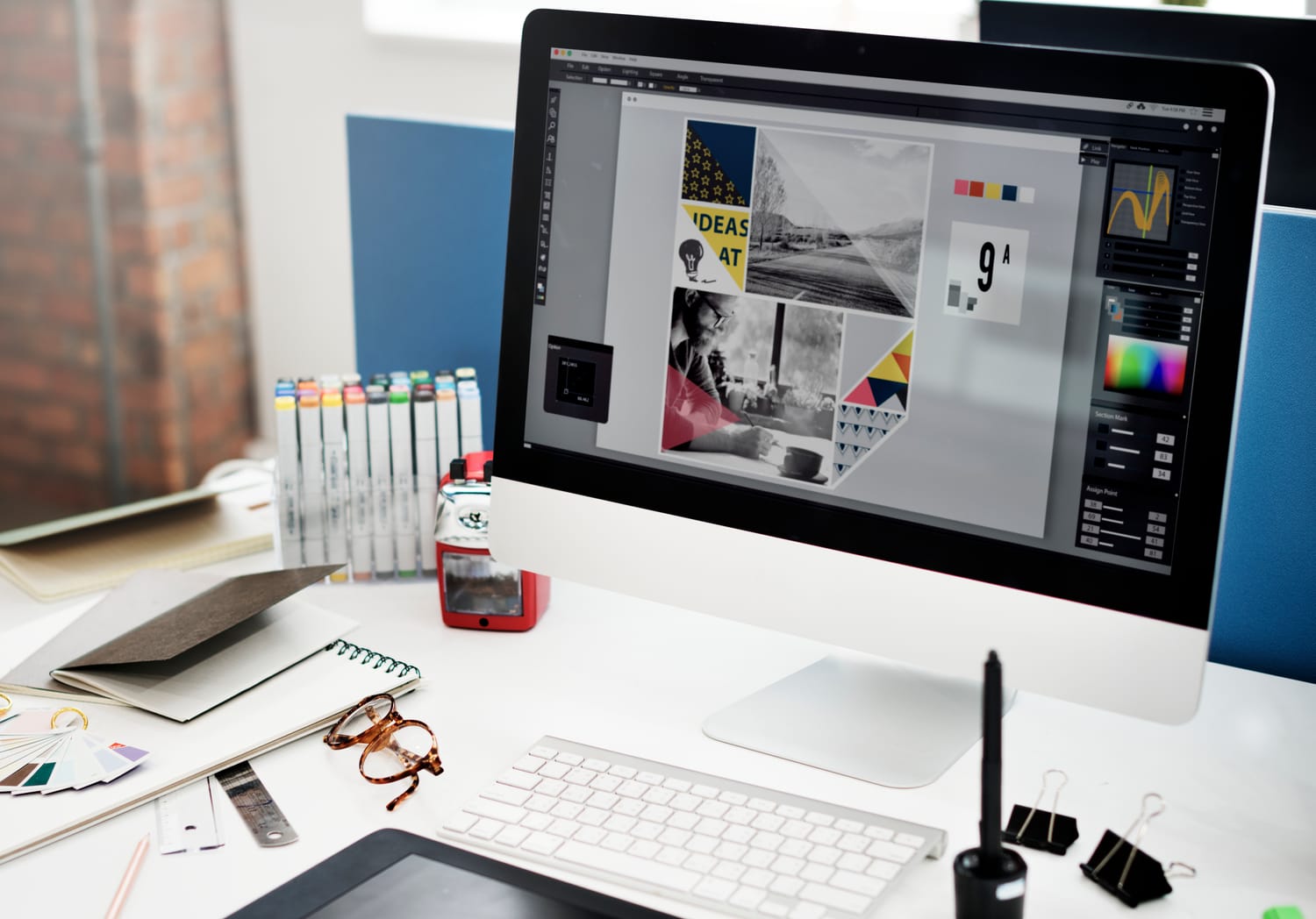
Graphic design for kids offers a powerful way to flip this script. It transforms screen time from a time-sink into a productive, creative masterclass. Instead of just playing games, they learn the mechanics of visual communication. For parents, this shift is the first step in raising a child who doesn't just watch the future—but builds it with their own two hands.
"The average child consumes 7 hours of digital content daily. Design thinking turns that passive consumption into an active engine for innovation and problem-solving."
1. The Digital Dilemma
Navigating the challenges of the digital era: From consumption to creation
Many parents worry that as digital tools become more automated, the natural, messy creativity of children might be at risk. When software provides "one-click" filters and ready-made templates, kids often lose the opportunity to think through a problem themselves. Without a structured design course for kids, they might become "preset-dependent"—unable to create anything that hasn't been pre-packaged for them.
By teaching the fundamentals of design—like balance, rhythm, and proportion—we give children a "creative compass." This allows them to use modern technology as a canvas rather than a crutch. They learn to question *why* a button is placed in a certain spot or *why* a specific color makes them feel excited. This level of critical thinking is what separates a designer from a mere user.
2. What Design Actually Teaches
What happens inside the mind of a child when they learn to design? It's far more than just learning which buttons to click in a software program.
When a child starts an online course for kids at belmans4kids, they are actually mastering the four pillars of modern intelligence:
Color Psychology & Emotion
It's not just about "pretty colors." We teach kids why a hospital uses blue (for calm) while an sale banner uses red (for urgency). Understanding this helps them communicate their own emotions effectively.
Architectural Layout Thinking
Design is a map for the eyes. Kids learn how to organize information so the most important message is seen first. This skill translates directly to better school projects, clearer essays, and organized thought processes.
Storytelling Through Visuals
A logo isn't just a drawing; it's a story in a single symbol. Your child learns to condense complex feelings and massive ideas into simple, powerful visuals that anyone can understand instantly.
Unbreakable Creative Confidence
The iterative process of design teaches kids that a "mistake" is just the first draft of a masterpiece. They develop the "mental muscle" to keep trying until their inner vision matches the outer results.
3. Why Creativity Matters in the AI Era
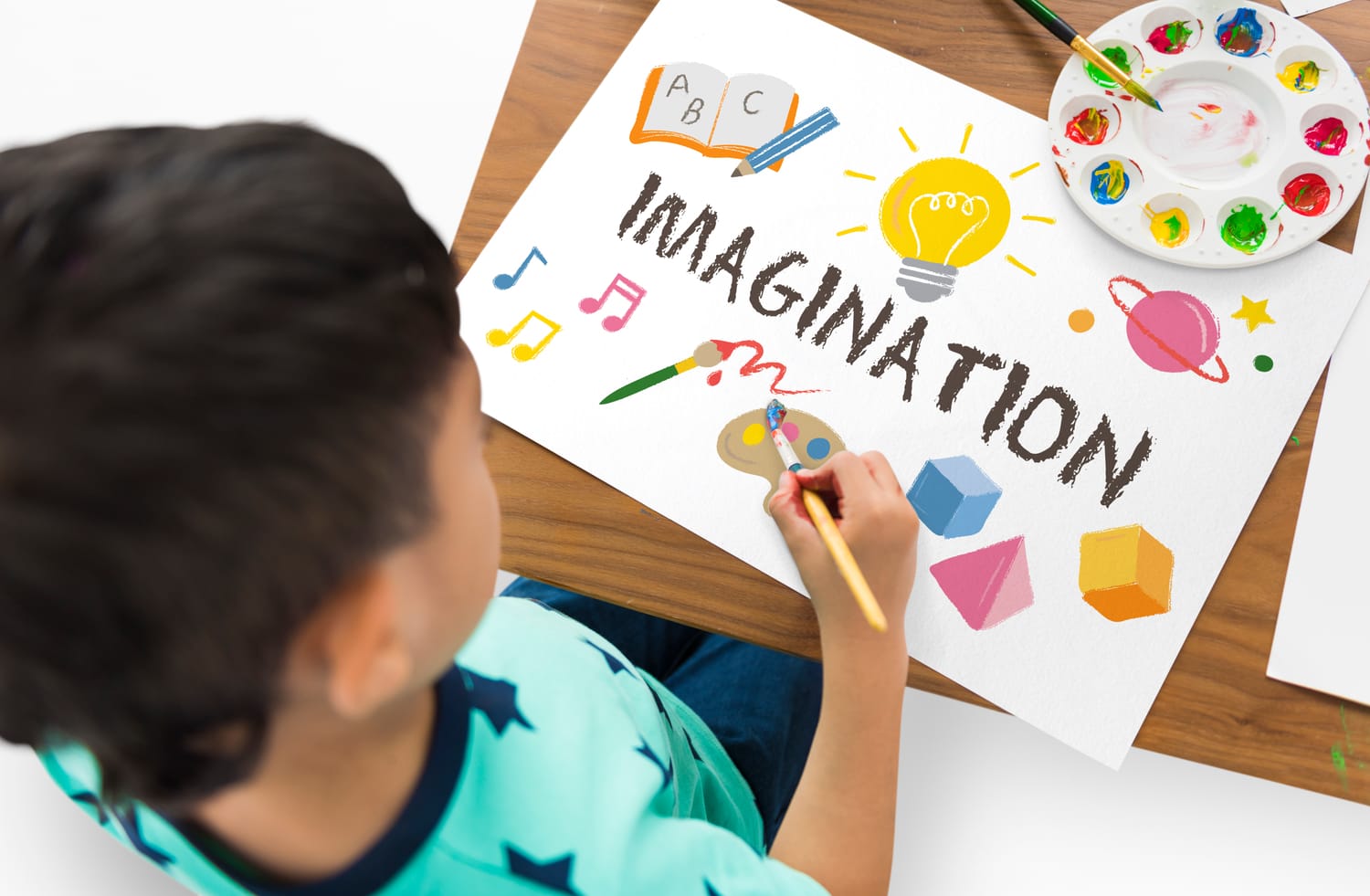
AI creates the pixels, but kids provide the soul and the "Why"
A common question from parents today is: "If AI can generate an image in seconds, why should my child spend weeks learning design?" It's a valid concern. However, the truth is that AI is just a faster brush. It can create pixels, but it cannot create *purpose*. It doesn't understand context, human empathy, or the unique story your child wants to tell.
By mastering graphic design, your child becomes the "Creative Director." They learn how to guide technology to produce meaningful results. In the future, the most successful people won't be those who can click a button, but those who understand the principles behind it. They will be the ones who can tell AI *exactly* what to build and why it matters to the world.
4. Growth Beyond the Screen
The benefits of a design course for kids extend far beyond the computer screen. These are "transferable skills" that follow your child into every subject they study and every hobby they pursue. Here are three critical areas of growth:
Magnetic Presentation Skills
Presenting their art to their peers and tutors at belmans4kids builds an unmatched level of public speaking confidence. They learn to explain their choices, accept feedback, and articulate their vision—essential for any future leader.
An Innovation-First Mindset
Design is fundamentally about solving problems visually. Kids develop a habit of looking at a "broken" layout and asking: *"How can I fix this to make it clearer?"* This habit of innovation applies to science, math, and social challenges too.
Practical Entrepreneurial Thinking
When a child designs a brand logo or a marketing poster, they are learning about market value, audience perception, and identity from age 6. They begin to see themselves not just as students, but as creators with something valuable to offer the world.
Wrapping Up

Choosing a design course for kids today is about more than just a hobby—it's about giving them a lifelong competitive advantage. Whether they grow up to become engineers, doctors, entrepreneurs, or artists, the ability to visualize an idea and communicate it with clarity will be their ultimate superpower.
Key Takeaways for Parents
- 01 Design thinking transforms passive consumption into a productive and creative outlet that sharpens the mind.
- 02 Human empathy and original intuition remain the most valuable global assets in the emerging age of AI-generated art.
- 03 The digital skills taught at belmans4kids are "future-proof," preparing children for careers that may not even exist yet.
If you're ready to see your child's imagination come to life and want them to master the language of the future, belmans4kids offers a specialized and fun pathway for every young learner.
Start their journey today with a risk-free exploration of our digital art modules. Watch as they transform from passive scrollers into confident, digital-first creators!
Created by

Trisha SS Belman
Tutor, belmans4kids
Trisha SS Belman is an 11-year-old expert Tutor at belmans4Kids, inspiring children aged 6–16 to explore the digital skills shaping the future, from Scratch and game design to app development and AI. With over 5 years of experience in digital skills and more than 10,000 hours of hands-on learning and teaching experience, she brings energy, creativity, and peer-to-peer mentorship to every session.
View Portfolio


