


How Computers Make Decisions
Computers feel like magic, don't they? They can play games, solve math problems, and even talk back to us! But if you look under the hood, a computer doesn't "think" like a human. It uses a secret, hidden language.
Everything a computer does comes down to millions of tiny switches that can only be ON or OFF. But how do you go from simple switches to a high-speed gaming PC? The answer lies in two words: Semiconductors and Logic Gates.
The Foundation: What is a Semiconductor?
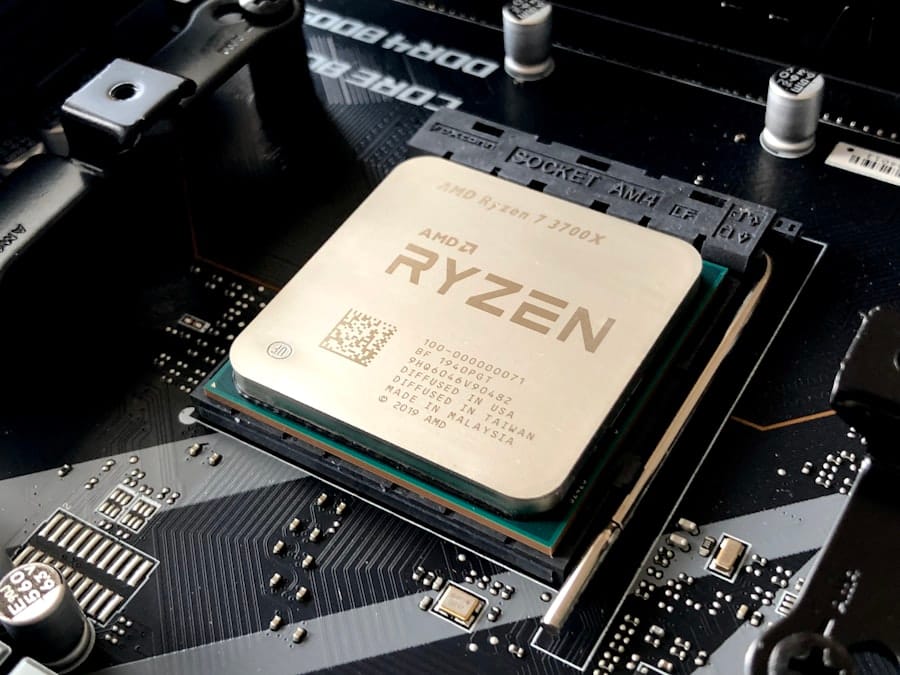
The microscopic world of silicon that powers our digital lives.
Before we talk about logic, we need to talk about the material that makes it possible. Most things either let electricity flow (like copper wires) or stop it completely (like rubber).
A semiconductor is special—it’s like a smart gatekeeper. It can choose when to let electricity pass and when to block it. This allows us to create tiny switches called transistors. Thousands of these transistors work together to form the "brain" of your computer.
Making Decisions: Basic Logic Gates

If transistors are the switches, Logic Gates are the rules that tell them which way to flip. These are the building blocks of every digital decision.
1. AND Gate
The "Team Player." Only gives a YES if BOTH inputs are true.
| A | B | OUT |
|---|---|---|
| OFF | OFF | OFF |
| ON | ON | ON |
2. OR Gate
The "Flexible Friend." Gives a YES if AT LEAST one input is true.
| A | B | OUT |
|---|---|---|
| ON | OFF | ON |
| OFF | OFF | OFF |
3. NOT Gate
The "Opposite." Flips the input. If it's ON, the output is OFF.
| IN | OUT |
|---|---|
| ON | OFF |
| OFF | ON |
Mastering the Grid: Advanced Rules

Millions of these gates working in harmony to power your devices.
Engineers combine basic gates to create complex rules. These are the "Combo Gates" that allow for math and memory.
NAND (NOT + AND)
The "Universal Gate." It gives a YES for everything except when both inputs are ON. It's the building block of all CPUs!
NOR (NOT + OR)
The "Strict Gate." It ONLY gives a YES if neither input is ON. It's used to build high-speed memory.
XOR (Exclusive OR)
The "Choosy Gate." Gives a YES only if EXACTLY one input is ON. Great for adding numbers together!
XNOR (Exclusive NOR)
The "Matchmaker." It gives a YES only if both inputs are the same (both ON or both OFF).
Conclusion: You are the Architect

Logic is the foundation of the digital world. By understanding how these gates work, you aren't just using a computer—you're beginning to understand the very fabric of modern technology.


