
The Hidden Magic of Math
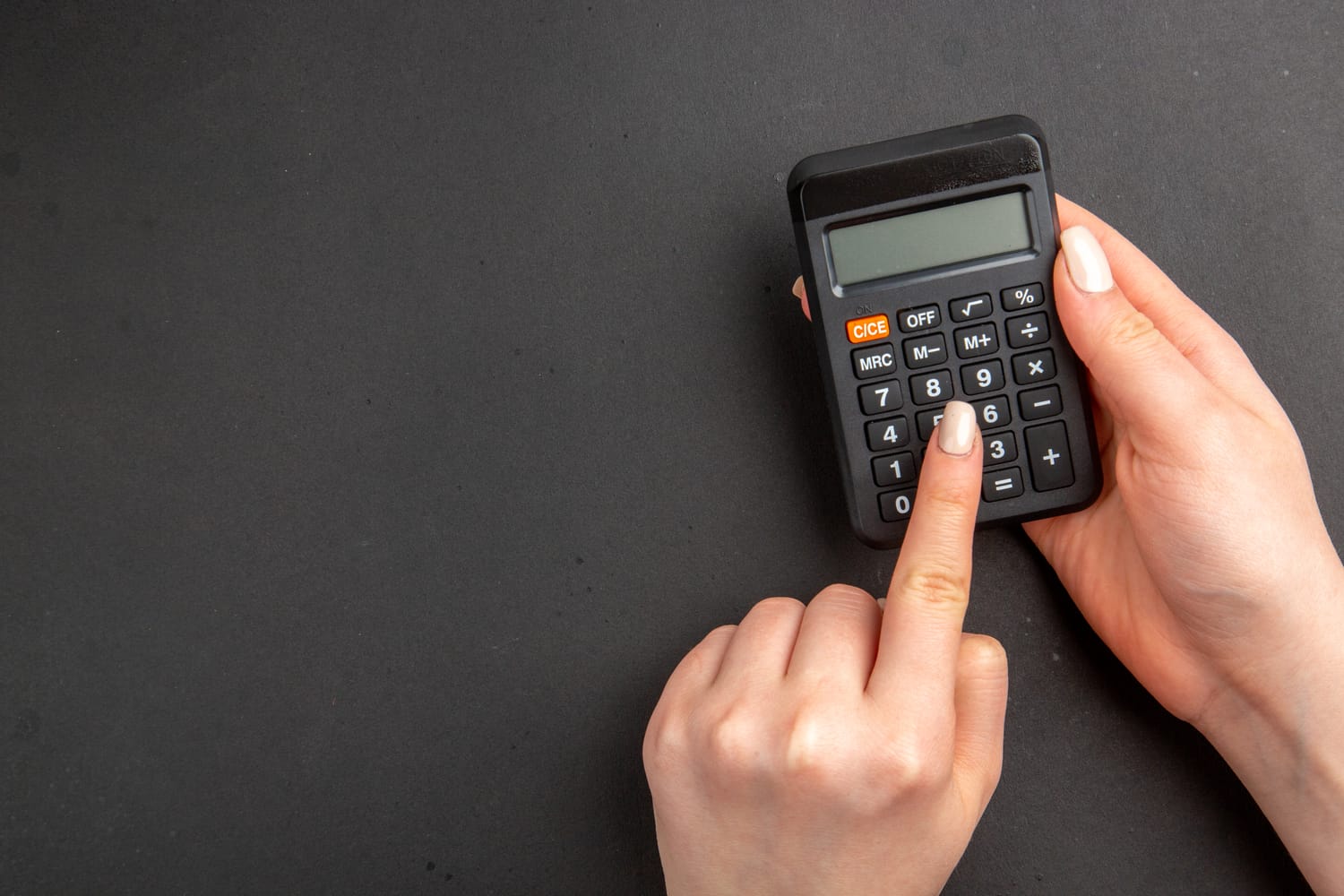
Have you ever wondered how a calculator solves problems so quickly? You press 2 × 3, and instantly the answer appears. But how does the calculator know what multiplication means? Today, we're exploring how transistors turn simple electricity into the smart technology we use every day!
A calculator can solve huge problems with millions of numbers in less than a second — making it one of the fastest tools ever built!
1. The Secret: The Switch Smaller Than a Hair
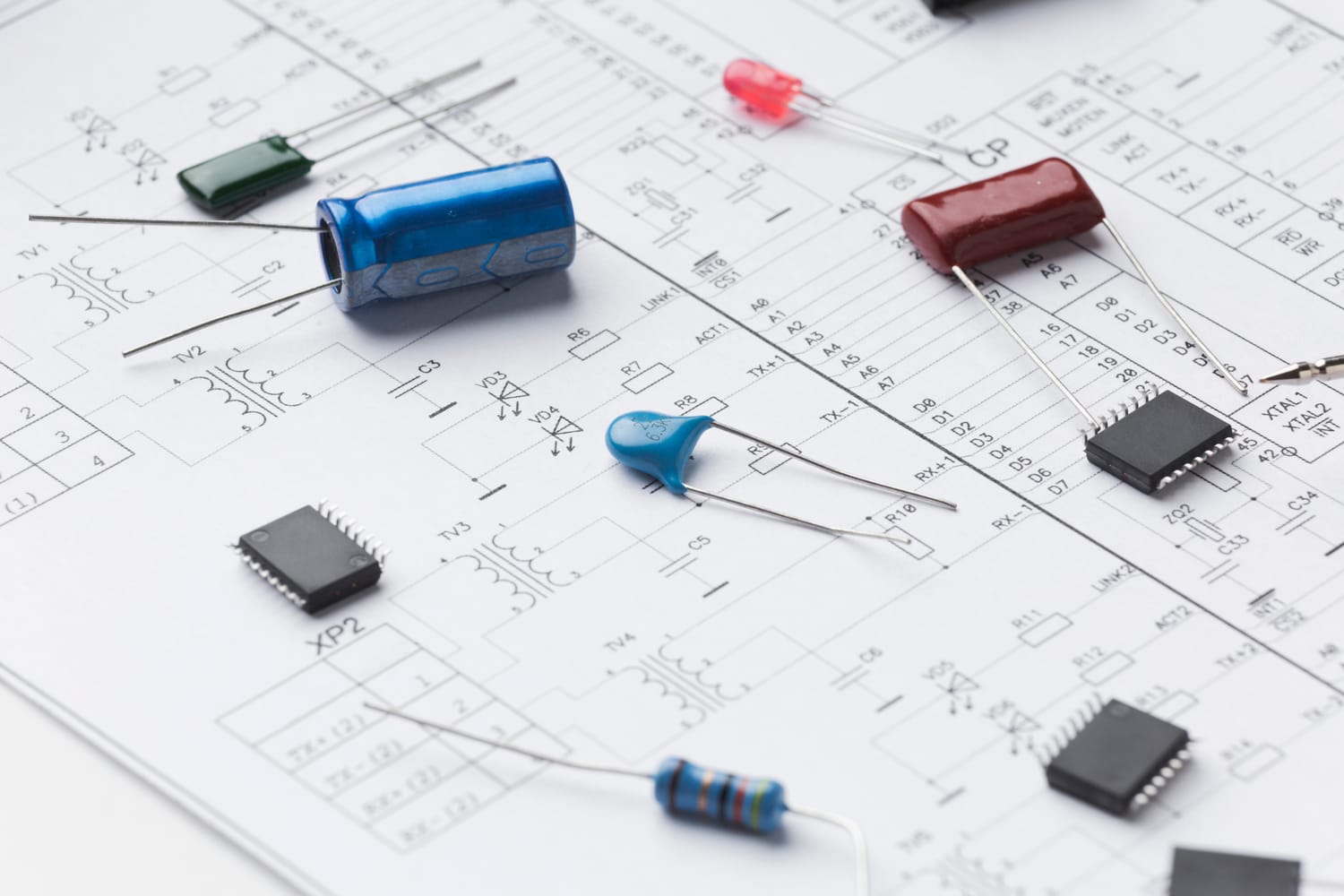
Tiny components with a huge job
Inside every calculator there are tiny electronic components called transistors. They are so small that you could fit thousands of them across the width of a single human hair!
What Exactly is a Transistor?
A transistor is the building block of all modern technology. It acts as a super-fast switch:
-
Digital Voice
It turns electricity ON or OFF to talk in "Binary" (0s and 1s), the language of all computers.
-
Power Boost
It can take a tiny, weak signal and make it strong enough to move data across the entire machine.
-
Instant Reaction
Transistors work billions of times per second without ever getting tired or making a mistake.
Made from Sand!
Did you know transistors are usually made from Silicon? That's the same stuff found in regular beach sand! We've turned sand into the smartest machines on Earth.
2. How Your Touch Becomes Electricity
When you press a button on your calculator, you aren't just pushing plastic. You are starting a chain reaction of electrical signals!
Closing the Switch
Your finger closes a gap on the keyboard, allowing tiny electrons to flow from the battery into the processor.
The Binary Code
The calculator turns that flow into a pattern of pulses that represent numbers in Binary (the language of 0s and 1s).
Processing Math
Those pulses race through the transistors, which flip open or shut based on math rules to solve your problem!
Understanding these computer basics helps you see that every calculation is just a dance of tiny electrical signals.
3. Logic Gates: How Circuits "Think"
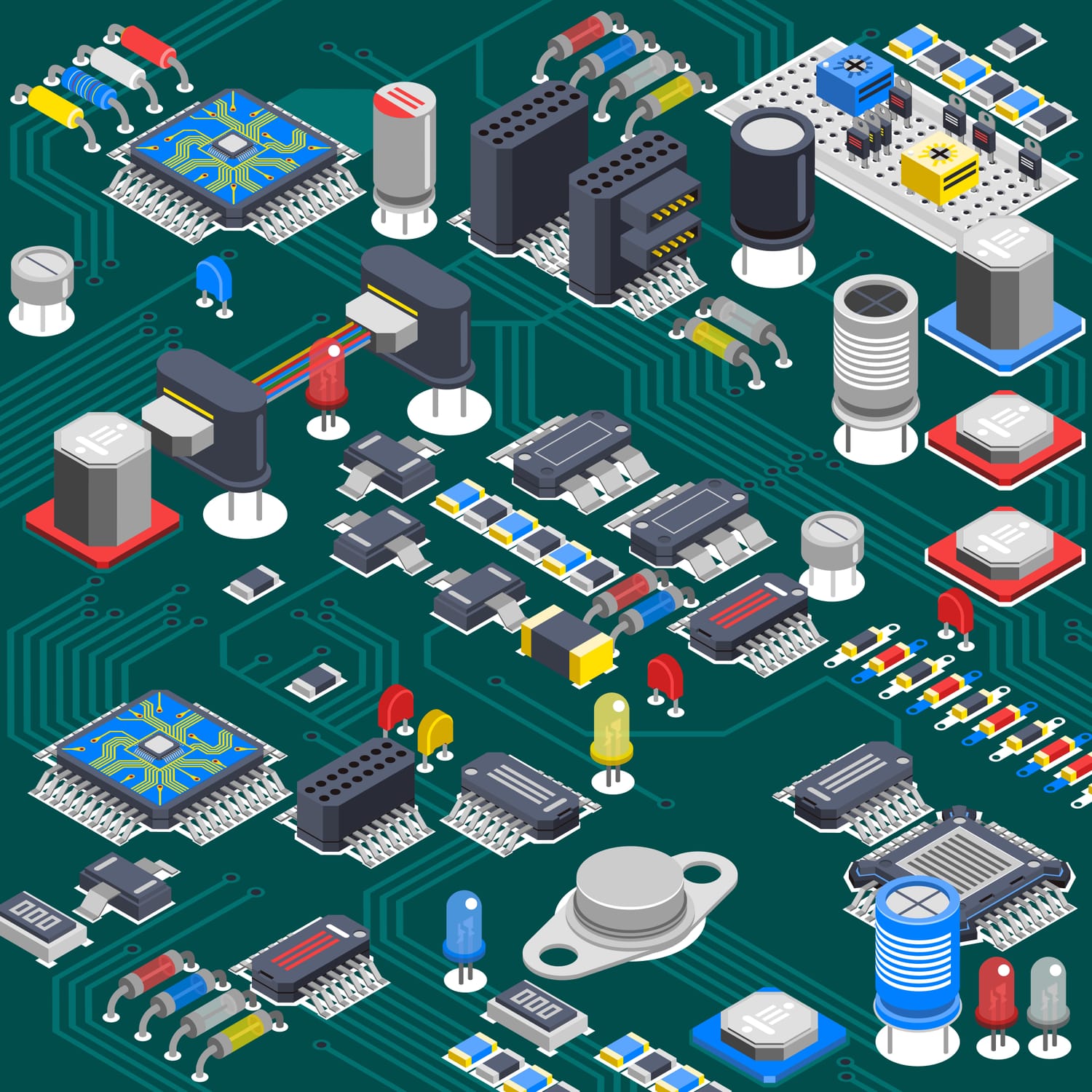
Logic circuits built with transistors
Transistors don't work alone. They are grouped into things called Logic Gates. These are like traffic rules for electricity!
The Adder Circuit
This module combines two signals into one larger signal to find a total sum instantly.
The Subtractor
This module blocks specific signals based on a math rule to find the difference between numbers.
Fast Multiply
Instead of adding slowly, the calculator loops signals through modules at light speed.
The Divider
This complex module splits groups of signals into equal parts perfectly in a microsecond.
4. Why are Calculators So Fast?
Speed beyond human imagination
Back in 1957, the first all-transistor calculator (the IBM 608) used about 3,000 transistors. Today, a single chip can have billions! Because they are so close together, signals don't have to travel far, making everything happen in microseconds.
This is exactly why your smartphone and tablet work so smoothly — it's all about those tiny transistors working at light speed!
Wrapping Up
Key Takeaways
- 01 Transistors act as microscopic light switches, flipping ON and OFF billions of times every second.
- 02 Calculators translate your physical touch into binary code (0s and 1s) using these tiny switches.
- 03 Everything from AI to smartphones works because of these tiny switches working together.
As we look toward the future, understanding transistors is the first step toward becoming a tech creator. Technology isn’t magic — it’s science, logic, and engineering built one switch at a time!
If you're ready to see your child's imagination come to life, belmans4kids offers an online enrollment — a perfect, risk-free way to start!
Created by

Trisha SS Belman
Tutor, belmans4kids
Trisha SS Belman is an 11-year-old expert Tutor at belmans4Kids, inspiring children aged 6–16 to explore the digital skills shaping the future, from Scratch and game design to app development and AI. With over 5 years of experience in digital skills and more than 10,000 hours of hands-on learning and teaching experience, she brings energy, creativity, and peer-to-peer mentorship to every session.
View Portfolio


