
Introduction
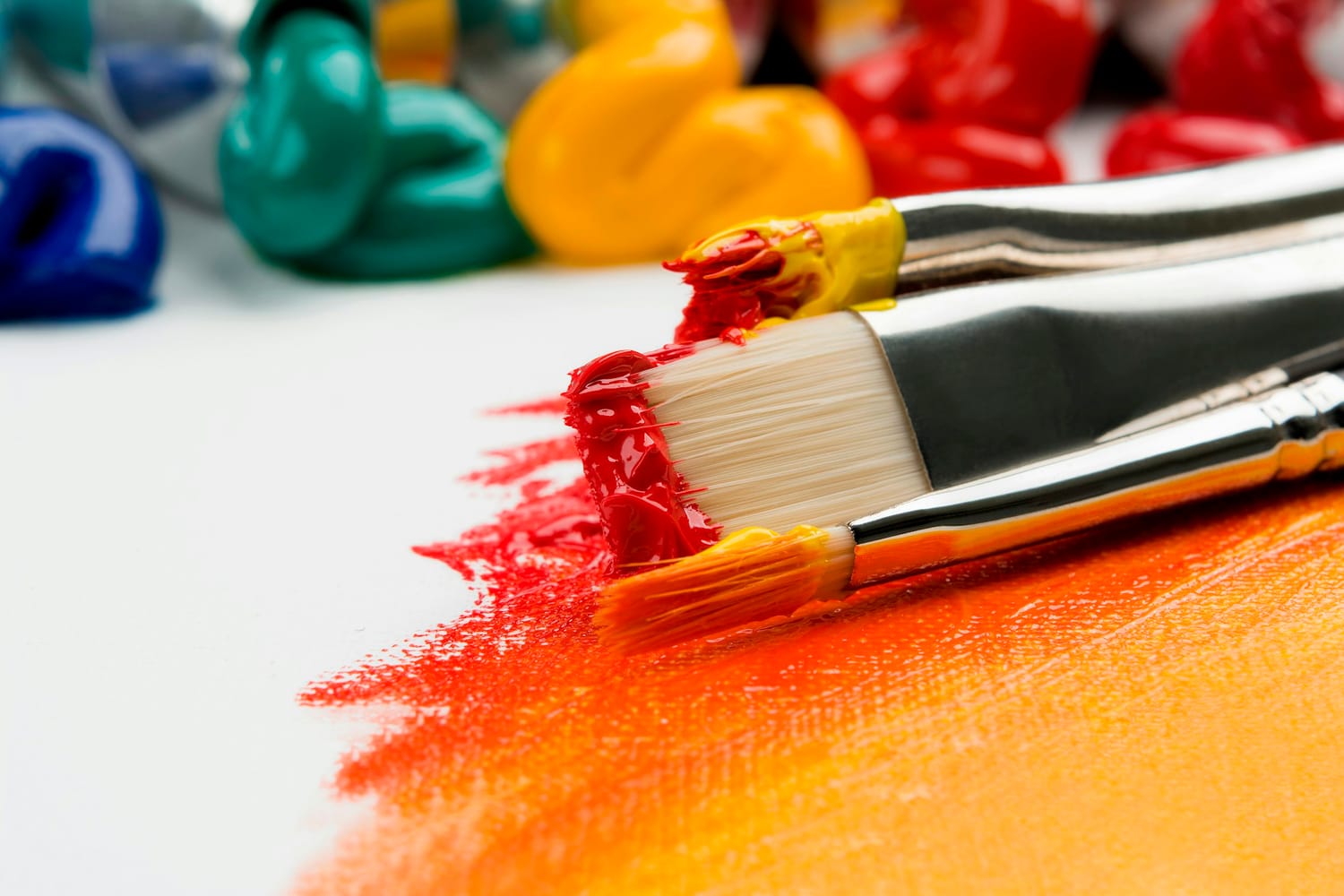
For generations, "arts and crafts" meant colored paper, glue sticks, and mess. Today, the creative landscape is shifting. We often see technology and traditional art as rivals—one on a screen, the other in a sketchbook. However, at Belmans4Kids, we believe graphic design for kids acts as the ultimate bridge between these two worlds. Graphic design is about learning the fundamental rules of visual communication that make any art piece, digital or physical, more impactful.
When a child learns to arrange elements on a digital canvas, they are developing an eye for composition, color harmony, and strategic storytelling. These skills provide a blueprint that elevates every physical project—from school posters to 3D builds. In this article, we explore how the fusion of digital design and traditional craft is empowering a new generation of creators.
"Graphic design is the secret language of art; once a child speaks it digitally, they can express themselves more clearly in every medium they choose."
1. The Bridge Between Digital and Physical Art
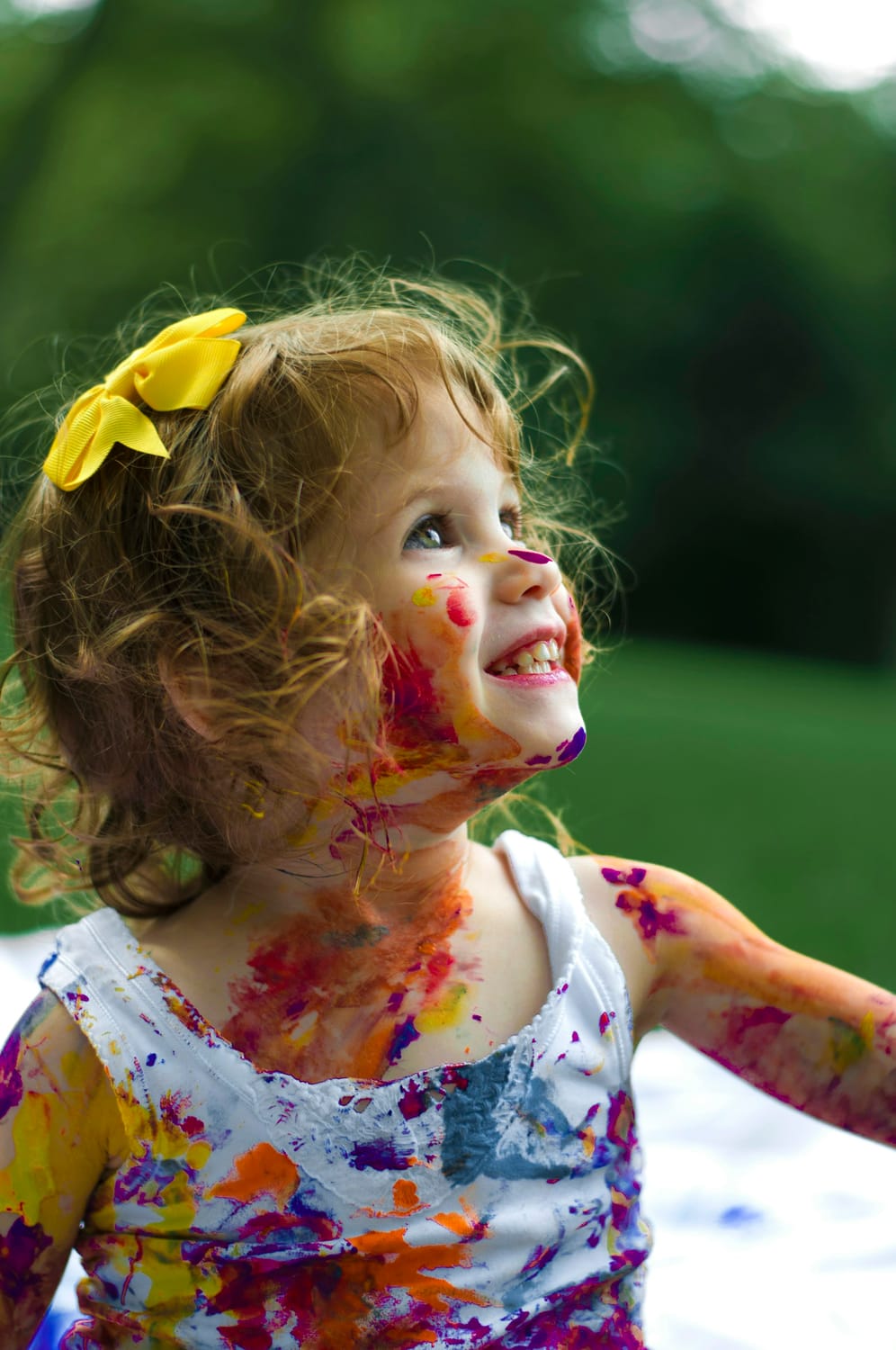
The transition from screen to sketchpad is becoming seamless for modern students.
Imagine creating a school poster. Traditionally, you might draw the main image first and run out of space for text. Graphic design for kids teaches visual hierarchy—arranging elements so the most important info catches the eye first.
Blueprint for Success
Digital tools are a low-stakes sandbox. In a design app, kids can move or resize elements in seconds. This teaches the "why" behind a good layout. When they move to physical crafts, they have a mental blueprint.
-
Layout Planning: Grids help organize physical sketches and model builds.
-
Visual Hierarchy: Learning to identify the "hero" of any artwork.
-
Composition Balance: Design rules make physical art look professional.
2. Mastering the Elements: Intentional Choices
True creativity is about intentional choices. In graphic design, the possibilities are infinite. This "infinity" is a powerful teacher. When a child has millions of colors on a screen, they start to ask, "Why this shade?"

Experimentation builds the confidence needed for precise physical art execution.
Typography
Design introduces kids to fonts. This translates to better hand-lettering and symbolic design in physical crafts.
Shape Language
Working with vector shapes teaches how complex objects are built from simple ones—crucial for physical models and sculpture.
Color Theory
Understanding colors is easier when swapping them with a click, improving paint mixing for physical projects.
3. Storytelling Through Design

Art is a message waiting to be told.
Children often struggle to articulate story through work. Graphic design for kids provides the vocabulary to communicate moods. They learn that design is a tool for empathy—how will the viewer feel when they look at this?
Emotional Palettes
Learning how "cold" colors create mystery vs "warm" colors create energy. Direct application to physical painting.
Font Personalities
Understanding how different lettering styles change the tone of a message. Critical for school projects and handmade cards.
Symbolic Imagery
Using icons and symbols to represent complex ideas concisely. Helps in logo creation and badge design.
Messaging & Mood
Arranging elements to create a vibe—be it chaotic and fun or calm and serious. Foundational for all visual arts.
Belmans4Kids provides a structured pathway for your child to master these tools. By transforming thoughts into visual messages, children see that their art has real-world power. This mindset shift is what truly "elevates" their crafts.
4. Future-Ready Creativity: Engaging the Modern Child
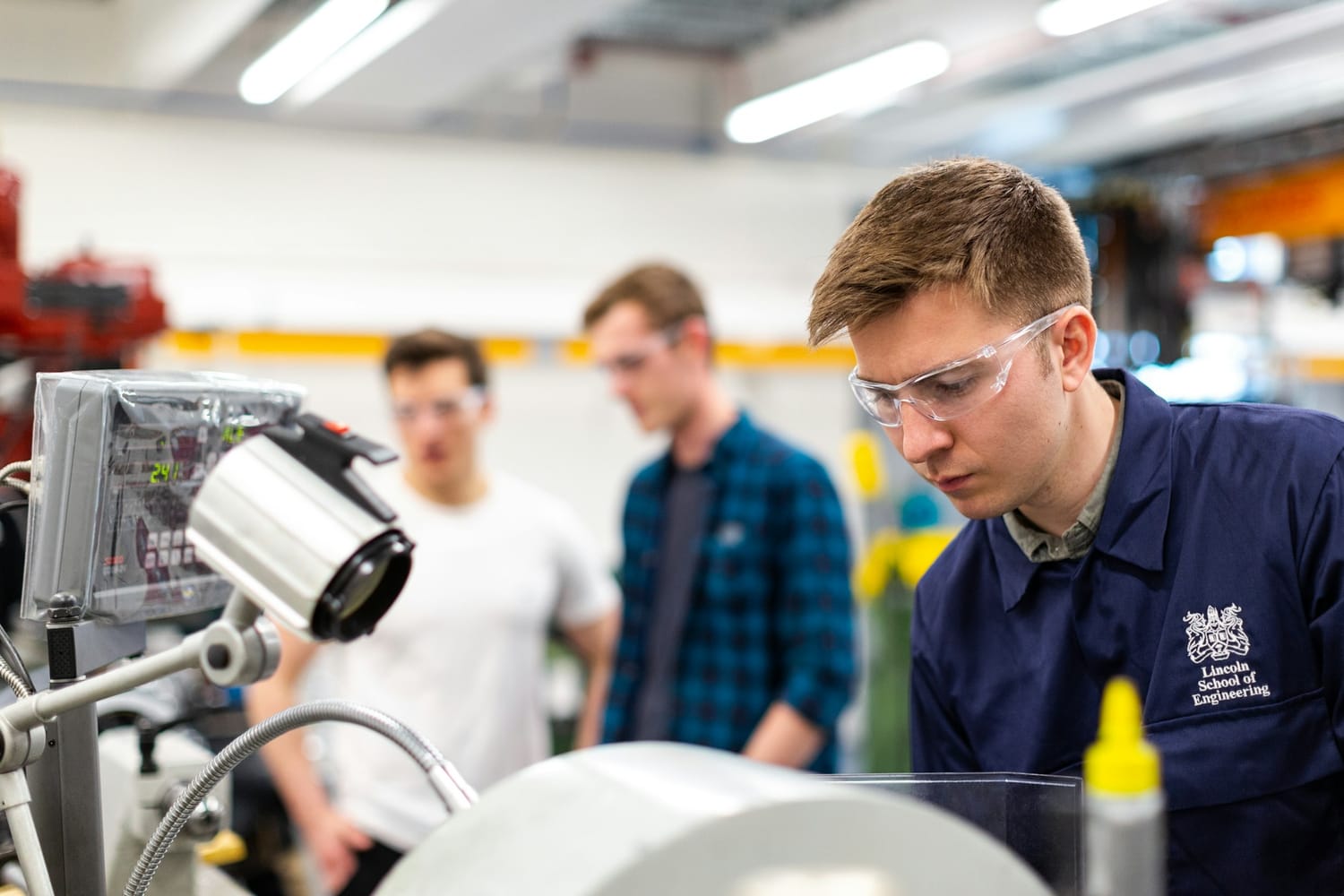
Seeing digital ideas take physical shape is a powerful motivator for young learners.
Technology is a natural language for today’s children. It acts as a massive motivator. When a child sees they can create something high-quality using a computer, it validates their creative instincts and makes art feel "dynamic" and "modern."
Practical Skill-Building
Consider a "College of Texture" project. A student uses a design app to build a digital color palette of 5 shades. They then take this palette to find physical materials (yarn, felt, paper) that match exactly. The digital tool acted as the brain, the physical craft as the body. This is how professional artists work today.
The boundaries between "designer," "artist," and "engineer" are blurring. By encouraging children to use technology as a toolkit, we teach them that creativity isn't about the medium; it's about the idea.
Wrapping Up
Integrated learning prepares children for infinite creative possibilities.
🎯 Key Takeaways
-
01
Visual Blueprints
Digital design teaches composition that makes physical crafts more structured and professional.
-
02
Intentional Creativity
Tools like color theory allow kids to make deliberate choices instead of relying on accidents.
-
03
Dynamic Engagement
Technology keeps art relevant and exciting for modern children, showing them it is a life-long, modern skill.
The future of art is a blend of digital and physical. By introducing graphic design for kids, you teach them to see like a creator—giving them the ability to plan, experiment, and tell stories through any medium.
Belmans4Kids offers an online enrollment—a perfect, risk-free way to start their journey into the world of design!
Created by

Kshithij Anand Belman
Tutor, Belmans4Kids
Kshithij Anand Belman is an expert Tutor at Belmans4Kids, giving every child aged 6–16 access to the digital skills that will shape tomorrow — from graphic design and 3D modelling to app development and AI. He's passionate about making tech education fun, accessible, and empowering for young learners across India, UAE, and Europe.
View Portfolio


