
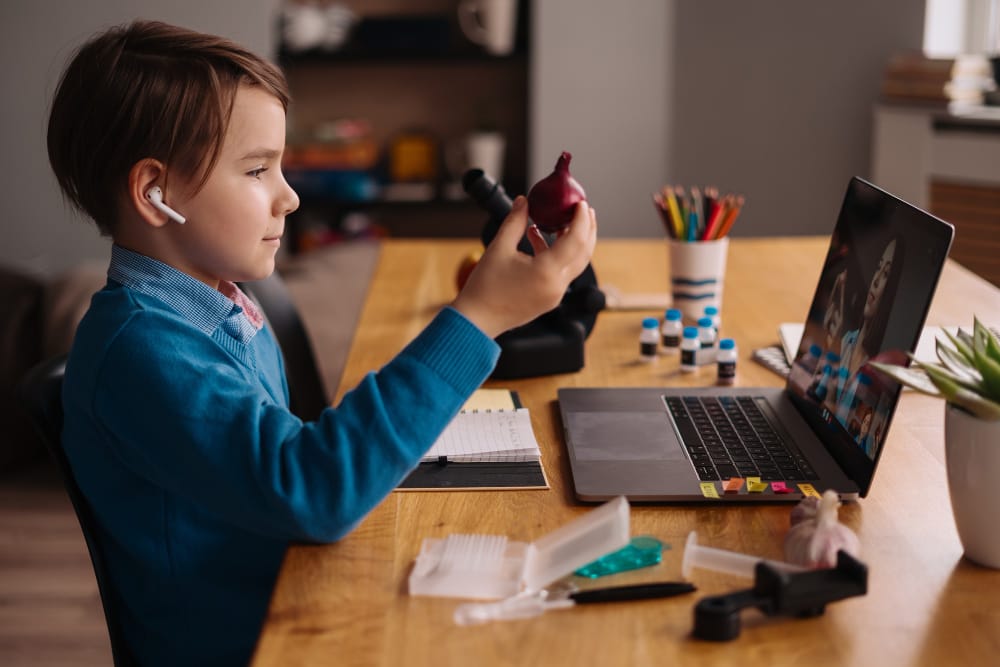
Introduction
With powerful tools like Midjourney, DALL-E, and Canva AI generating stunning images in mere seconds, many parents are left wondering: is learning graphic design for kids still a relevant and valuable pursuit today? It’s a completely fair question. If a machine can create an entire advertising campaign or a beautiful digital painting just by typing a straightforward sentence, why should a child spend hours learning the meticulous intricacies of the AI Era design tools, mastering colour theory, or deciphering the rules of visual grid systems?
The answer is a resounding and emphatic yes. While artificial intelligence is undeniably brilliant at producing graphics at breakneck speeds, it completely lacks the foundational human intuition, emotional empathy, and strategic thinking required to truly communicate a specific intent to a specific audience. Teaching your child the art and science of graphic design isn't just about making pretty pictures anymore; it's about developing essential visual literacy, critical thinking, and advanced problem-solving skills that AI simply cannot replicate, empowering them to thrive as confident digital creators whether they live in India, the UAE, Europe, or anywhere else in the deeply connected world. It transforms them from passive consumers of generated content into active, visionary directors.
"AI is an exceptionally powerful brush, but your child’s boundless imagination is the brilliant artist guiding it."
1. Why Graphic Design Still Matters
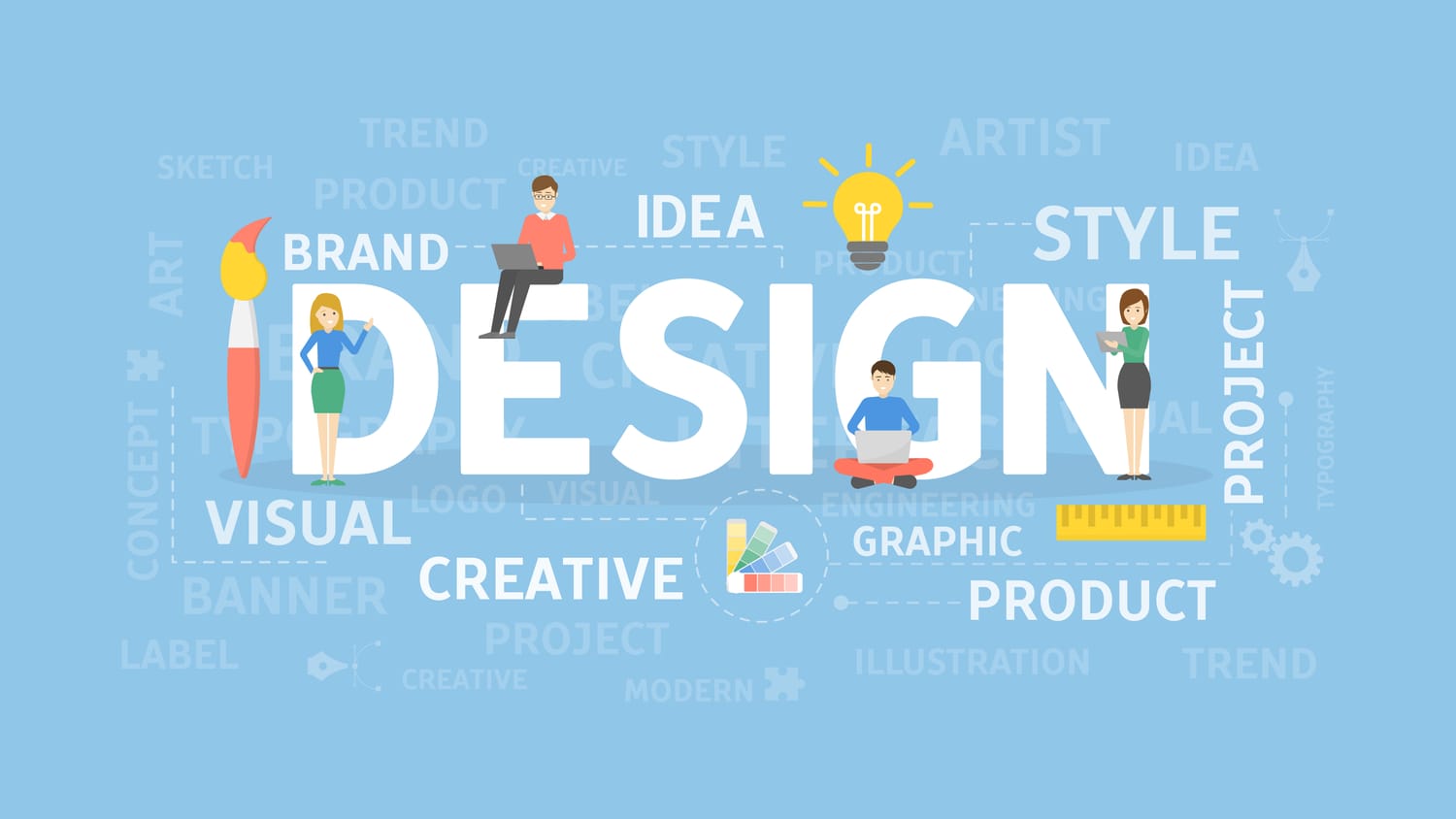
Structuring ideas visually before using powerful AI generation tools
Even with the overwhelming rise of the AI Era, foundational design skills remain absolutely essential. Yes, an AI platform can effortlessly generate an endless variety of exciting shapes, harmonious colours, and intricately detailed backgrounds, but it inherently doesn't understand the cultural context, the underlying emotional goal, or the specific human audience that the final graphic is intended for. When children take the time to deeply learn graphic design, they aren't just memorizing software menus; they are learning a universal language. They are learning how to actively communicate complex, abstract ideas clearly, persuasively, and effectively using visual media.
Furthermore, we reside in a world that is completely dominated by screens and immediate visual stimuli. From the engaging thumbnails they enthusiastically click on YouTube to the intuitively designed interfaces of the educational apps they use for schoolwork, every single thing has been purposefully designed by someone to elicit a specific action or feeling. By comprehending the mechanics behind these designs, kids coding classes and graphic design courses give children a behind-the-scenes look at how the digital world operates. They learn to deconstruct what they see, transitioning from individuals who merely accept visual information to individuals who can critically analyze and actively shape it.
The Profound Power of Visual Literacy
Visual literacy is the fundamental ability to interpret, negotiate, and create impactful visual messages. By systematically learning the enduring principles of design—such as balance, contrast, hierarchy, and alignment—a graphic design course helps young children comprehensively understand exactly what makes a particular image compelling, memorable, or uninteresting. This goes far beyond just art; it is a core communication skill required for nearly every future career path in the modern economy.
-
Meticulously teaches children how to organise vast amounts of complex information hierarchically, ensuring the most important message is seen first.
-
Significantly improves critical thinking and analytical reasoning when evaluating the constant barrage of modern visual media they encounter daily.
-
Actively builds deep empathy by continually forcing the young designer to consciously consider exactly how a diverse audience might perceive and interpret their design choices.
AI as a Powerful Tool, Never a Replacement
The best and most successful professional designers in the world today use AI to dramatically speed up their workflow, quickly brainstorm variations, and overcome the dreaded blank-page syndrome, but they never rely on it to fundamentally do the strategic creative thinking for them. AI is a co-pilot, not the captain. A child who already deeply understands the nuanced psychology of colour theory, the mathematical beauty of the golden ratio, and the powerful impact of thoughtful composition can write significantly better, more precise AI prompts. Then, more importantly, they possess the critical skills necessary to manually refine, edit, and perfect the AI's raw output so that it perfectly matches their exact, original vision. Handing a child an AI tool without teaching them design is like giving them a phenomenally fast calculator but never teaching them how to do basic addition or subtraction—they might get an answer, but they won't understand what it means or how to check if it's actually correct.
2. How Kids Practically Learn Design in the AI Era
When your child starts participating in a comprehensive photoshop course or begins earnestly learning digital design, the pedagogical process looks significantly different today than it did even five years ago. However, the foundational building blocks remain exactly the same. The focus is entirely on establishing robust core skills manually first, before ever introducing AI acceleration techniques to supercharge their creative output.

Mastering the essential basics of colour and composition before automating
Understanding the Timeless Basics
Before ever typing a prompt into an AI generator or clicking a magic wand tool, kids start by actively exploring fundamental colour theory, the profound impact of typography, and the structured logic of grid-based layout design. They learn precisely why certain warm colours naturally evoke specific feelings of joy or urgency, why serif fonts communicate tradition, and how strategic whitespace sets the tone of a professional message. This is the irreplaceable grammar of the visual world.
Mastering the Digital Tools
Next, they get crucial hands-on, practical experience with modern industry-standard software. They learn the mechanical processes of how to manually manipulate vector shapes, use non-destructive layers, apply complex blending modes, and properly prepare digital assets for both high-resolution print use and optimized web deployment. They learn how to actually build a design from the absolute ground up, giving them complete and total agency over every single pixel on the canvas.
Integrating AI Responsibly
Finally, once the foundational scaffolding is firmly in place, children discover the joy of how to responsibly use cutting-edge AI tools to rapidly prototype complex ideas, generate meticulously detailed custom backgrounds, or automate incredibly tedious repetitive tasks. Because they already know the rules of design, they can confidently direct the AI, critique its generated choices, and expertly synthesize the AI's raw output into a polished, cohesive masterpiece, all while maintaining their own supreme creative control.
This carefully structured, methodical approach aggressively ensures that powerful AI technology explicitly enhances their unique creativity and accelerates their workflow, rather than inadvertently replacing their completely unique, irreplaceable human artistic voice.
3. Nurturing a Resilient Young Designer
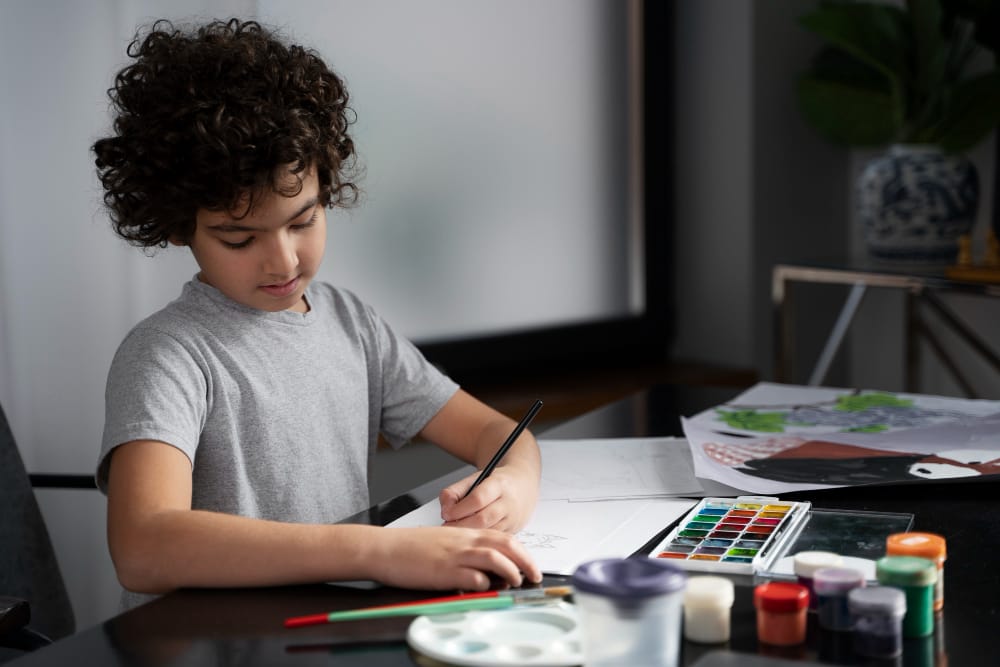
Encouraging continuous creativity and critical observation at home
Parents naturally play an absolutely huge, indispensable role in enthusiastically encouraging a child's artistic journey, especially when navigating the complex, rapidly evolving landscape of the AI Era. You don't need to be a professional art director to guide them. Here are several simple, incredibly effective, and highly actionable ways to actively support their ongoing exploration of graphic design on a daily basis.
Start Exceptionally Simple
It is vital to deliberately begin their journey with highly accessible, user-friendly tools like Canva before rushing to move on to overwhelmingly advanced, complex software suites. Enthusiastically let them independently design their own personal birthday invitations, school project presentation covers, or fun custom posters for their bedrooms to build early, unshakeable confidence in their creative decision-making abilities.
Analyze and Deconstruct Together
Whenever you enthusiastically spot a massive, eye-catching billboard while driving or casually browse a beautifully designed, modern website at home, proactively ask your intensely curious child exactly what specific elements they genuinely like or fiercely dislike about it. Openly discuss the deliberate psychology of the chosen colours, the readability of the specific fonts, and the overall strategic layout to rapidly and continuously build up their incredibly valuable critical artistic eye over time.
Openly Embrace Experimental AI Play
Don't hide the controversial new technology from them; instead, proactively and enthusiastically encourage them to safely experiment with various modern AI image generators under your close supervision. Effectively crafting the perfect prompt is an incredibly valuable communication skill in its own right, and it actively helps them learn how to precisely articulate their wonderfully complex visual ideas with crystal-clear, descriptive language.
Relentlessly Celebrate Constructive Feedback
Graphic design is, by its very inherent nature, an extensively iterative and highly demanding process. Enthusiastically celebrate not just the perfectly polished final masterpiece, but the continuous, incredible improvements they stubbornly make immediately after humbly receiving constructive critical feedback. This robustly builds unparalleled mental resilience, an extraordinarily adaptable growth mindset, and teaches them to completely separate their own personal worth from their preliminary, imperfect artistic drafts.
Belmans4Kids provides a highly structured, exceptionally supportive, yet incredibly fun pathway for your remarkably curious child to completely master these fundamentally essential tools, purposefully giving them the unshakable confidence they desperately need to thrive in the modern, ultra-competitive digital world.
Wrapping Up
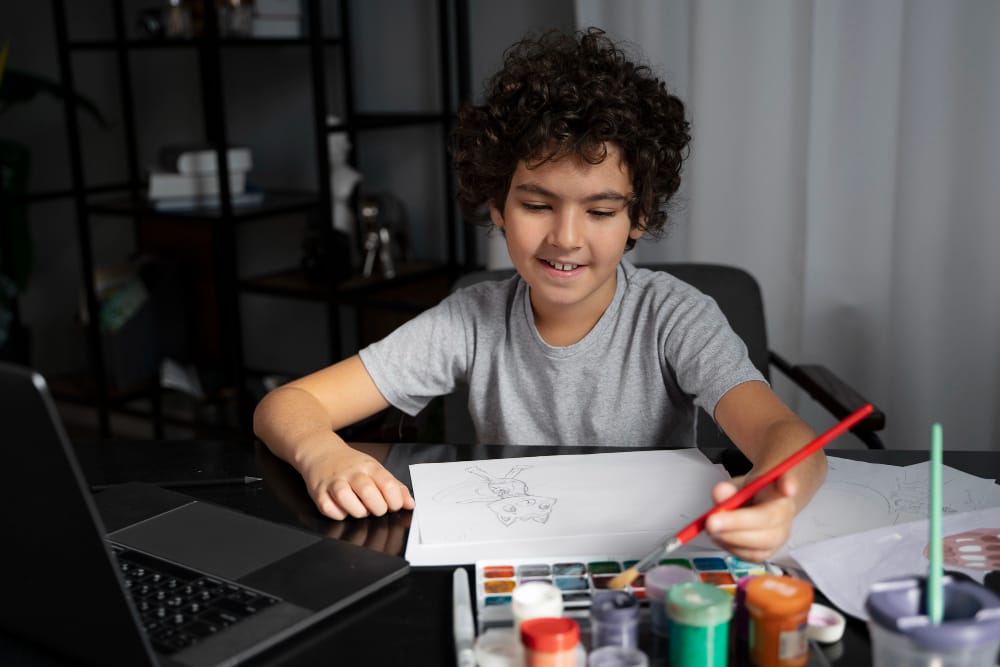
Ready to creatively lead the rapidly approaching digital future
🎯 Key Takeaways
- 01 Profound visual literacy is a distinctly critical, irreplaceable human skill that advanced AI cannot ever fully replicate or truly simulate.
- 02 Exceptionally strong foundational design skills actively make incredibly curious children significantly better, profoundly more effective, and wildly imaginative AI power users.
- 03 Systematically learning the complex discipline of graphic design simultaneously fosters deep empathetic understanding and astoundingly powerful visual communication capabilities.
As we eagerly look forward toward the year 2026 and significantly beyond, the brilliant, sparkling intersection of highly empathetic human creativity and overwhelmingly raw machine intelligence will definitively define the absolute most incredibly exciting, highly lucrative, and deeply impactful careers available globally. By wholeheartedly enthusiastically embracing comprehensive graphic design for kids today, we systematically give them the indispensable, profoundly critical tools they desperately need to not just passively consume an endless river of algorithmic digital media, but to dynamically, intentionally, and beautifully actively shape it on their own very specific terms.
If you're completely ready to finally see your incredibly gifted child's brilliant imagination vividly come to life, Belmans4Kids happily offers an incredibly seamless online enrolment — a truly perfect, entirely risk-free way to joyfully jump-start their amazing lifelong creative journey!
Created by

Kshithij Anand Belman
Tutor, Belmans4Kids
Kshithij Anand Belman is an expert Tutor at Belmans4Kids, giving every child aged 6–16 access to the digital skills that will shape tomorrow — from graphic design and game design to app development and AI. He's passionate about making tech education fun, accessible, and empowering for young learners across India, UAE, and Europe.


