
Introduction
Have you ever noticed how your child can spend hours perfecting a drawing, only to feel frustrated when they try to translate that creativity onto a computer screen? It's a common hurdle for young creators across India, the UAE, and beyond. Mastering graphic design for kids isn't just about learning which buttons to click; it's about understanding the "language" of visuals. When children learn the underlying design guidelines for graphic design, they stop just making pictures and start telling powerful, visual stories.
"Design is not just what it looks like and feels like. Design is how it works — especially when seen through the eyes of a child building their first digital world."
In today's digital age, being "visually literate" is as important as reading and writing. Whether they're designing a poster for a school project in Dubai or building a personal brand in Mumbai, these skills provide a foundation for success in almost any future career. Let's dive into the core principles that will help your child shine.
1. The Building Blocks: Colour and Contrast

Mastering the mood through the power of colour.
Colour is the first thing our brains notice. It sets the "mood" of a design before a single word is read. For kids, choosing colours can be overwhelming, but simple design principles for children can make it fun and intuitive.
Understanding Colour Psychology
Every colour tells a story. Helping your child understand these associations is a key part of their graphic design journey:
-
Warm Colours (Red, Orange, Yellow): Energy, excitement, and happiness.
-
Cool Colours (Blue, Green, Purple): Calmness, trust, and creativity.
-
Contrast: Using light text on dark backgrounds (or vice-versa) to make things "pop".
The "Three-Colour Rule"
Encourage your child to pick just three main colours for their project. A primary colour (60%), a secondary colour (30%), and an accent colour (10%). This simple guideline prevents designs from looking cluttered and messy.
2. Layout and Space: The Secret to Professional Designs
Ever looked at a professional poster and wondered why it looks so "clean"? The secret isn't just better drawings — it's the visual communication skills involved in managing layout and "white space".

Balance is the key to clarity in any design.
Hierarchy: What's the Headline?
Teach your child to make the most important information the biggest. The eye should always know where to look first.
Negative Space is Your Friend
Empty space isn't "wasted" space. It gives the viewer's eyes a place to rest and makes the actual content stand out.
Alignment and Grids
Keeping elements aligned (like buttons or text blocks) creates a sense of order and professionalism that instantly elevates any project.
By following these simple layout steps, your child will learn to create designs that aren't just pretty, but easy to understand and navigate.
3. Typography and Imagery: Telling a Story Without Words

Every font has a personality. Choose yours wisely!
Typography (the art of arranging text) and imagery are the heart of creative digital art. It's where your child's personality can really shine through.
Limit Your Fonts
Just like the Three-Colour Rule, stick to two fonts: one for headings and one for body text.
Quality Over Quantity
One high-quality image is better than five blurry ones. Always look for clear, bright pictures.
Iconography
Use simple icons to represent complex ideas. A heart, a star, or a house can say a thousand words.
Readable Sizes
Ensure text is big enough to read on small screens — a vital skill for modern digital design.
Belmans4Kids provides a structured yet fun pathway for your child to master these tools, giving them confidence in the digital world. By experimenting with these creative tips, they'll soon be designing with the confidence of a pro.
Wrapping Up
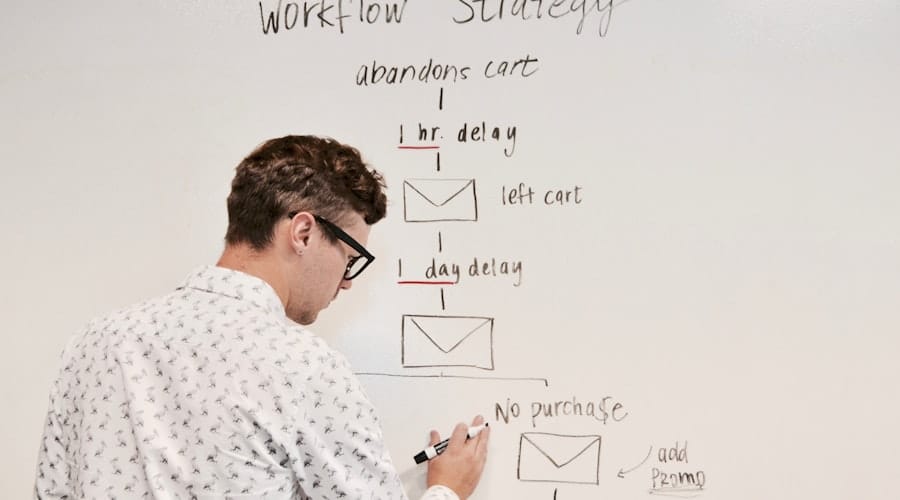
The joy of bringing a creative vision to life.
🎯 Key Takeaways
- 01 Stick to a limited colour palette to keep designs clean and focused.
- 02 Embrace white space to give your design room to "breathe" and improve clarity.
- 03 Hierarchy and alignment are the secret ingredients of professional layouts.
As we look toward 2026 and beyond, the ability to create and communicate visually will only become more valuable. Helping your child master graphic design for kids today is an investment in their future confidence and creative expression.
If you're ready to see your child's imagination come to life, Belmans4Kids offers an online enrolment — a perfect, risk-free way to start!
✨ Interactive Design Lab
Drag the slider to see how "White Space" transforms a messy layout into a professional one.
Art Workshop 2026
Join us for a day of creative digital art at Belmans4Kids!
Created by

Kshithij Anand Belman
Tutor, Belmans4Kids
Kshithij Anand Belman is an expert Tutor at Belmans4Kids, giving every child aged 6–16 access to the digital skills that will shape tomorrow — from graphic design and game design to app development and AI. He's passionate about making tech education fun, accessible, and empowering for young learners across India, UAE, and Europe.
View Portfolio


