
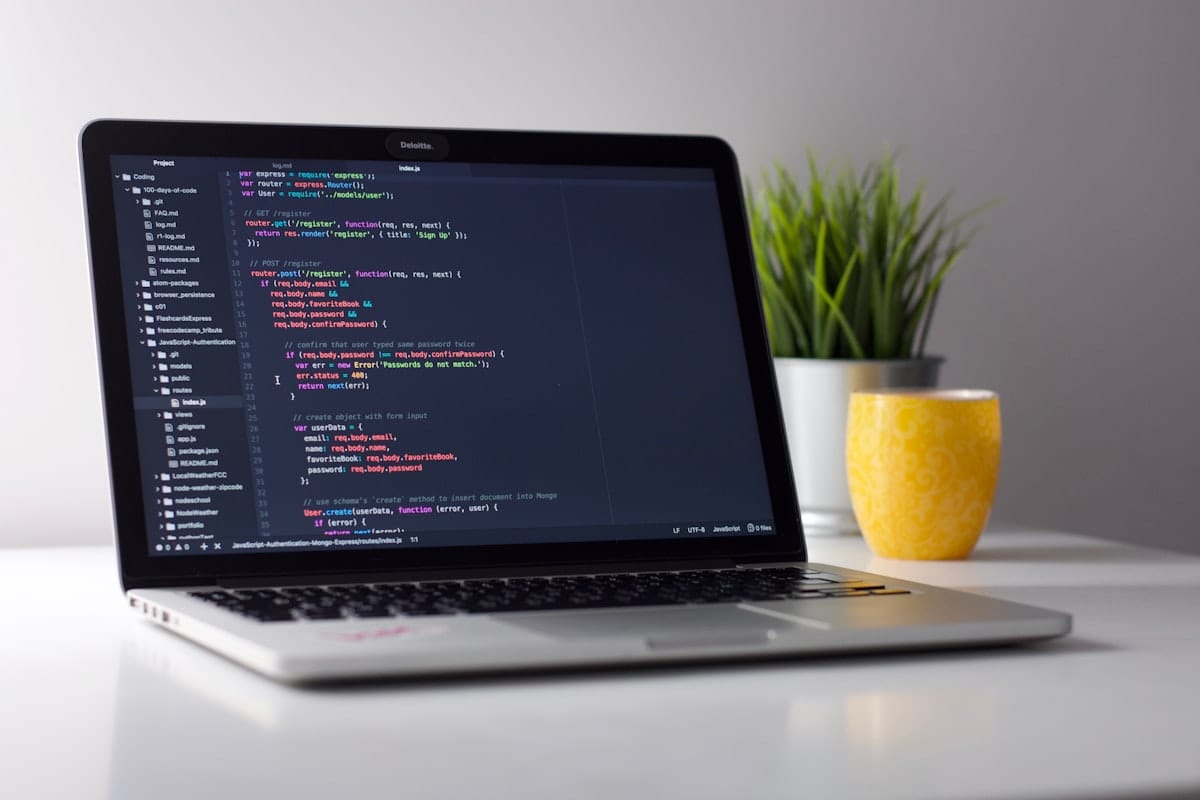
Introduction: The Invisible Engine of Digital Literacy
In an era where every child seems born with a smartphone in hand, the conversation about "screen time" often revolves around consumption. We worry about how much time they spend scrolling, watching, or playing. But there is another side to the screen—a side that transforms the passive observer into an active architect. That side is coding.
At Belmans4Kids, we believe that coding is not just a vocational skill for future software engineers; it is the "new literacy." It is the invisible engine that drives a child's ability to think, reason, and solve problems in the real world. When a child learns to code, they aren't just learning a language like Python or JavaScript; they are learning a universal framework for logic and critical thinking that applies to every facet of life—from solving a math problem to navigating a complex social situation.
In this deep dive, we explore how the simple act of writing lines of code can fundamentally reshape a child's cognitive landscape, sharpening their logical reasoning and refining their critical thinking skills for the challenges of the 21st century.
Section 1: The Anatomy of Logic
At its core, coding is the ultimate exercise in sequential thinking. Imagine trying to explain to someone how to make a peanut butter and jelly sandwich. If you skip a step—like opening the jar—the process fails. This is exactly how a computer operates. It follows instructions precisely, one by one, in a specific order.

Step-by-step logic in action
For a child aged 6 to 16, this "step-by-step" requirement is a powerful teacher. In their daily lives, kids often act on impulse or leap to conclusions. Coding forces a slowdown. It requires them to map out a path from point A to point B. This is what educators call Algorithmic Reasoning.
When a child builds a simple game where a character must move through a maze, they must break down the movement into discrete instructions: "Move forward three steps," "Turn left 90 degrees," "If you touch a wall, stop." If the sequence is wrong, the character hits a wall or goes off course.
This taught discipline of sequence translates directly to academic success. In mathematics, it becomes the ability to follow the order of operations. In science, it becomes the capacity to design a controlled experiment. In language arts, it manifests as the ability to structure a persuasive essay with a logical flow.
Section 2: The Art of Troubleshooting
If logic is the engine of coding, then troubleshooting (or "debugging") is its steering wheel. In the world of programming, things rarely work on the first try. A missing semicolon, a typo in a variable name, or a logical loop that never ends can bring an entire project to a screeching halt.
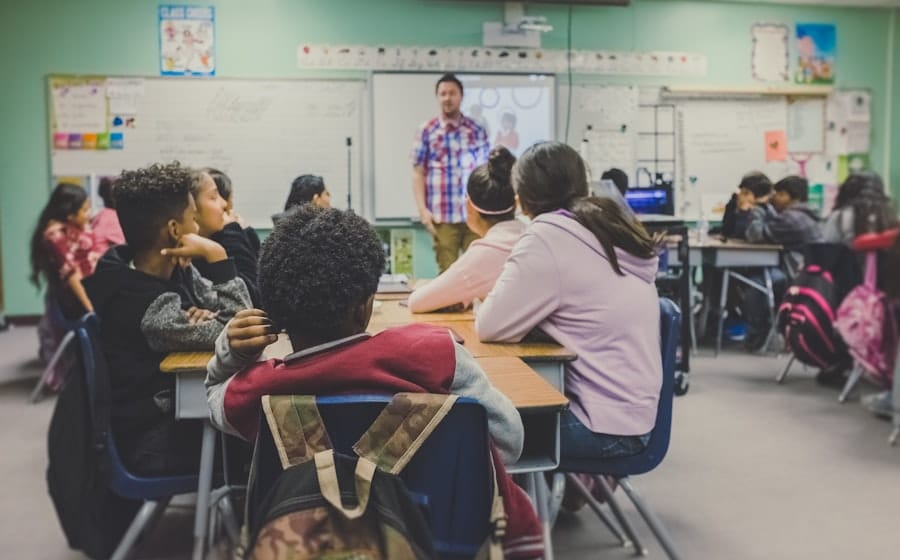
For many children, failure is a source of frustration. In school, a "wrong" answer is often met with a red mark and a sense of defeat. But in coding, a "wrong" answer is just a "bug"—a puzzle waiting to be solved. This shift in perspective is the cornerstone of Critical Thinking.
When a student’s code doesn’t run, they can’t just guess the solution. They must engage in a rigorous process of Decomposition—breaking the complex problem down into its smallest parts to find the point of failure. Is the issue in the movement script? Is it in the scoring system? By isolating variables and testing hypotheses, children develop a scientific mindset.
3 From Consumers to Creators
The final piece of the cognitive puzzle is the transition from a digital consumer to a digital creator. Most children interact with technology as a "black box"—they press buttons and things happen, but they have no idea why. Coding opens that box and shows them the gears inside.
Key Cognitive Gains:
-
Agency & Confidence:
Learning that they can build the world, not just live in it.
-
Spatial Reasoning:
Translating abstract code into visual 3D structures.
-
Abstraction:
Moving between high-level ideas and concrete project components.
Conclusion: Preparing for the AI Era
As we enter the AI Era, the ability to think logically and critically is more important than ever. We are moving toward a world where the "how" of coding might be automated, but the "what" and the "why" remain human.
A child who understands the logic behind the machine is a child who can direct the machine. By investing in coding education today, you aren't just preparing your child for a job in the future—you are giving them the cognitive tools to excel in any path they choose.

Kshithij Anand Belman
Tutor, Belmans4Kids
Kshithij is a dedicated educator at Belmans4Kids, helping children bridge the gap between imagination and technology. With a focus on 3D modelling and logical reasoning, he empowers the next generation of digital creators.


