

Introduction
In the rapidly evolving landscape of artificial intelligence, the **Model Context Protocol** (MCP) has emerged as a groundbreaking standard that promises to do for AI what USB-C did for hardware. Developed by Anthropic and released as an open standard, MCP is designed to solve the most persistent problem in the AI industry: the lack of a universal way for AI models to talk to your business data.
Until now, connecting an AI to your database, Slack workspace, or local files required complex, custom-built integrations that were expensive to maintain and difficult to scale. MCP changes the game by providing a standardized "plug-and-play" architecture, allowing AI agents to securely access the context they need to be truly useful in a professional environment.
1. The Integration Gap: Why MCP Matters
The biggest limitation of current Large Language Models (LLMs) isn't their intelligence—it's their isolation. We call this the "Integration Gap." Most AI models are trapped within their training data, unable to see what's happening inside your company's CRM, your project management tools, or your private cloud storage without significant manual effort.
For businesses, this means AI often provides generic advice rather than specific, data-driven solutions. To fix this, developers previously had to write "bespoke" connectors for every single tool. If you wanted your AI to read from Google Drive and write to Jira, that was two separate projects. **Model Context Protocol** eliminates this redundancy by creating a single standard that everyone can use.
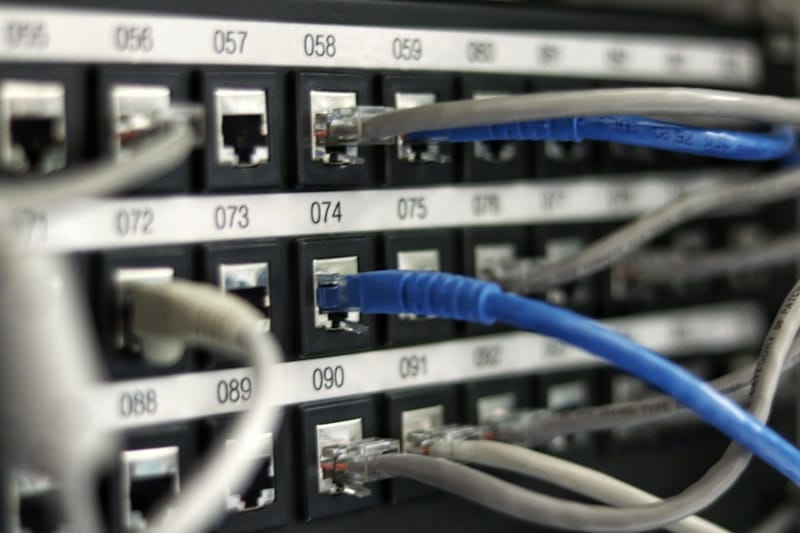
By standardizing how models request data and invoke tools, MCP allows companies to build their data infrastructure once and have it work with any AI model that supports the protocol—whether that's Claude, GPT, or a custom internal model. This shift from "fragmented" to "standardized" is what will finally allow AI agents to move from toys to essential team members.
2. How the Protocol Works: A Technical Simplicity
Technically, MCP uses a simple client-server architecture. An **MCP Server** acts as the guardian of a specific data source (like a database or a file system), exposing its contents through a standardized interface. The **MCP Client** (which is usually your AI application or IDE) connects to these servers to retrieve information or perform actions.
This separation of concerns is vital for security and scalability. You can host an MCP server locally on your own infrastructure, ensuring that your sensitive business data never leaves your control while still allowing the AI to "query" it. It's a two-way street: the AI can read context to understand a problem, and then use the same protocol to trigger a tool that solves it.
At Belmans4Business, we are already helping clients integrate these protocols into their custom platforms. Here is how we categorize the implementation:
Custom Web Dev
Building AI-native web applications that utilize MCP for real-time data sync.
LMS Integration
Connecting educational platforms to AI tutors that know your curriculum via MCP.
Data Architecture
Structuring your business data into MCP-ready servers for future-proof AI.
Tool Development
Creating bespoke MCP tools that allow AI to perform physical or digital tasks.
3. Real-World Business Use: Turning Data into Action
The true power of **Model Context Protocol** lies in its versatility. Imagine an AI customer support agent that doesn't just read a knowledge base, but can actually check a user's subscription status in Stripe, verify a shipping date in Shopify, and update a ticket in Zendesk—all using a single, standardized protocol. This isn't science fiction; it's what MCP makes possible today.
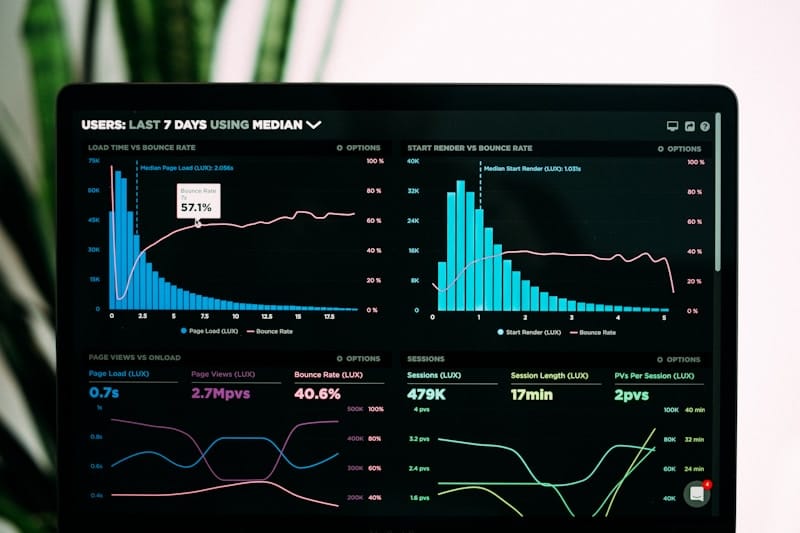
For small businesses and startups, MCP lowers the barrier to entry for advanced automation. Instead of hiring a team of engineers to build a complex API integration, you can use existing MCP servers for common tools like Google Calendar, Slack, or GitHub. This allows you to deploy intelligent agents in weeks rather than months.
In the long run, companies that adopt MCP will have a significant competitive advantage. Their AI systems will be more accurate, more secure, and far more capable than those relying on "copy-paste" context or expensive, brittle custom code.
The MCP Difference: Before vs. After
- 1. **Standardization is Key:** MCP is the "USB-C" of the AI world, providing a universal connector for data.
- 2. **Open Source Power:** Developed by Anthropic but released as an open standard for the entire AI ecosystem.
- 3. **Security First:** MCP servers can be hosted locally, giving businesses full control over their private data.
- 4. **Action-Oriented:** Beyond just reading data, MCP allows AI models to trigger tools and perform real-world tasks.
- 5. **Reduced Costs:** Standardized protocols mean less time spent on custom integrations and more time on innovation.
Ready to Bridge the Gap?
The Model Context Protocol isn't just another technical acronym; it's a fundamental shift in how we build AI-native businesses. By embracing standardization today, you ensure that your business data is ready for the agentic future of tomorrow. At Belmans4Business, we specialize in making these complex integrations simple and profitable for your vision.
Book a Technical Consultation