

Introduction
In the fast-paced world of digital business, how you organize your software is just as important as the features you build. Think of Layered Architecture as the master blueprint for creating systems that are easy to manage, scale, and secure as your business grows.
1. The Layers Explained
At its heart, Layered Architecture is all about organizing your software so that everything has a clear place to live. Instead of throwing all your code into one big, confusing bucket, you separate it into horizontal "layers." Each layer has a specific responsibility, which keeps the whole system tidy and manageable.
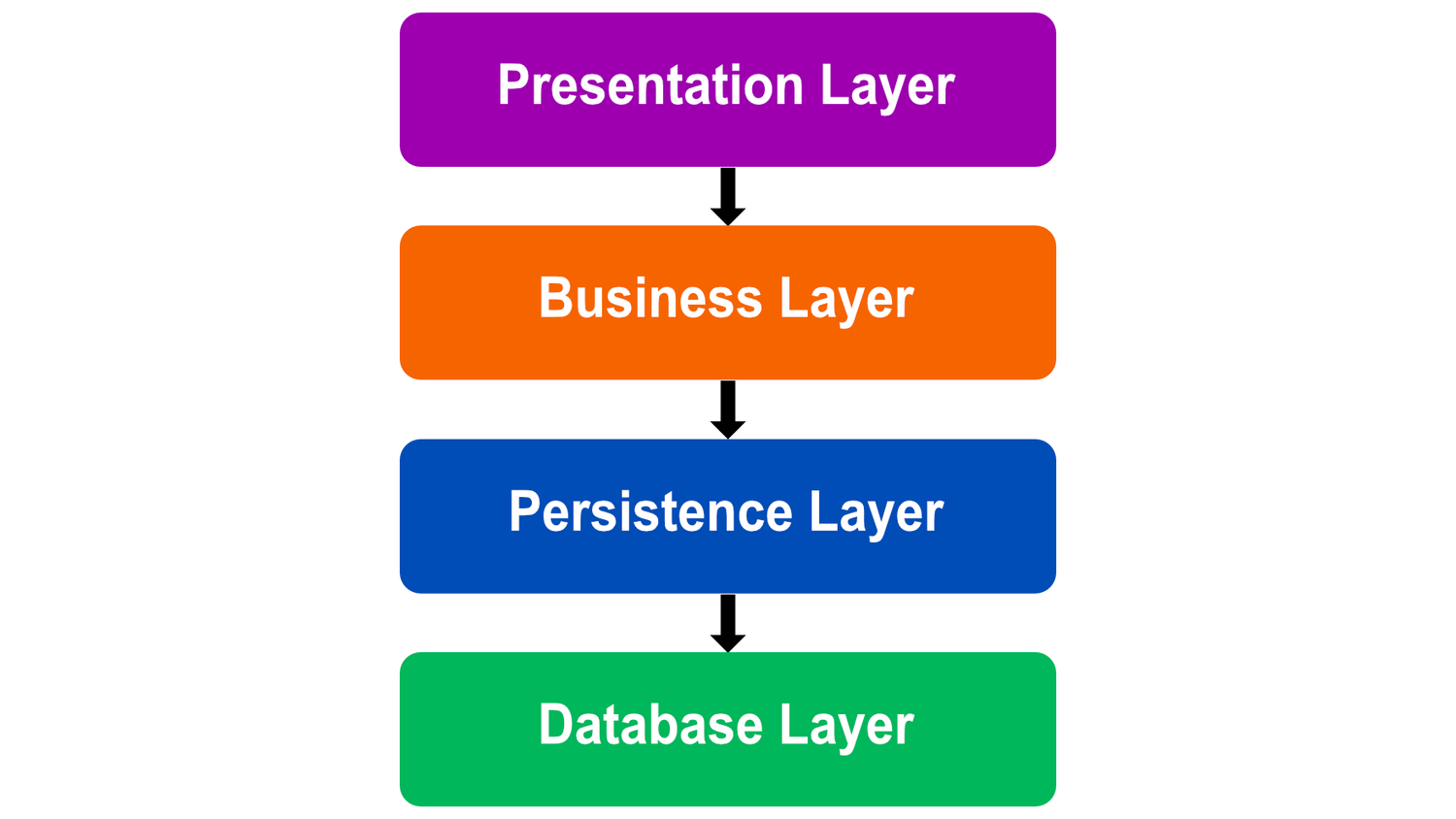
The beauty of this setup is that it creates Separation of Concerns. This means that if you want to refresh the look of your website (the UI), you can do it safely without worrying about breaking the underlying logic or the database. Because the layers are isolated, changes stay right where they belong.
Better Organization
By grouping similar code together, you make it much easier for developers to find what they need and understand how the system works without getting overwhelmed.
Predictable Logic
Each layer acts as a specialist. The part of your app that talks to the user doesn't have to worry about the database; it simply passes the request along to the next layer in line.
A Smooth Request-Response Flow
In a well-designed layered system, information moves in a clear, one-way loop. Requests from the user travel downward toward the data, and the results travel upward back to the screen. This predictable flow makes the system incredibly easy to debug and maintain over time.
Technical Note: Strict vs. Relaxed Layering
In Strict Layering, a layer can only communicate with the layer directly beneath it. This provides maximum isolation but can lead to the "Sinkhole Effect." In Relaxed Layering, a layer can bypass its immediate neighbor to access any lower layer, offering more flexibility at the cost of tighter coupling.
2. The Tier Spectrum
Not every project needs a complex, multi-layered structure. Choosing the right "tier" depends on the scale of your application and your long-term goals. Here’s a quick look at the most common setups you’ll run into:
1-Tier Architecture
The simplest form, where the UI, logic, and data all reside on a single machine—think of an Excel sheet or a simple desktop calculator. It's fast but impossible to share or scale.
2-Tier Architecture
Often called Client-Server, this splits the app into two parts. The user sees the UI on their device (Client), while the data sits on a central server. While this allows for shared data, it can pose security and update risks.
3-Tier Architecture
The gold standard for modern web apps. It adds a middle "Application" layer between the user and the data, providing maximum security, scalability, and flexibility.
3. The Benefits of Layered Systems
So, why go through the trouble of layering your app? Because it makes your life much easier. Instead of dealing with one giant, messy "monolith," you get a system that's organized, modular, and ready for anything.
Enhanced Modularity
Update or replace parts of the system without breaking everything else.
Improved Maintainability
Organized code makes finding and fixing bugs a straightforward task.
Granular Scalability
Scale specific layers under load without wasting infrastructure resources.
Better Security
Sensitive data layers are hidden behind robust application logic.
4. Disadvantages to Consider
Of course, no system is perfect. Layering is fantastic, but it does come with its own set of trade-offs. It’s important to know what these hurdles are so you can plan for them effectively.
Performance Overhead: Each layer adds a level of abstraction, and traversing through them can introduce latency and slow down overall system response times.
The "Sinkhole Effect": Data often passes through multiple layers without any significant processing or logic being applied, which can lead to wasted computing resources.
Rigidity and Inflexibility: Modifications to the system frequently require synchronized changes across all layers, making it difficult to adapt quickly to new business requirements.
At belmans4business, we help you navigate these trade-offs. We ensure that your architecture is "layered enough" to be maintainable, but "lean enough" to stay incredibly fast for your users.
- Organization is Key: We learned that Layered Architecture keeps your system tidy by grouping code into horizontal slices with clear roles.
- Separation of Concerns: By keeping your UI separate from your database logic, you can make updates to one without accidentally breaking the other.
- Scale Correctly: Not every app needs 3 layers. Choosing between 1, 2, or 3 tiers depends entirely on how big your project is and where it’s going.
- Understand the Trade-offs: While layering offers great modularity and security, it does come with slight performance overhead that you need to plan for.
Build for the Future with Expert Architecture
At the end of the day, mastering Layered Architecture isn't just about writing better code—it's about setting your business up for long-term success. When your foundation is solid, your technology becomes an engine for growth rather than a hurdle you have to jump over.
Explore Our Services!