

Introduction
Most people think balance sheets are only for accountants or businesses. But a balance sheet actually teaches a very powerful idea: how to understand what you own and what you owe. When kids understand this simple concept early, they begin to see money and resources in a completely different way, setting the foundation for a lifetime of financial intelligence.
"Understanding what you own versus what you owe is the single most important lesson in building long-term wealth and responsibility. It's the difference between feeling controlled by money and being in control of it."
1. Understanding the Difference Between Owning and Owing
Kids learn that not everything they have is truly theirs. Sometimes things come with responsibilities or obligations, and a balance sheet makes this invisible concept visible. This is why we start here—because it anchors the abstract in reality.
Think of a library book. Your child "has" it in their room, but they don't "own" it. It's a temporary asset that carries a liability: the obligation to return it. This simple parallel helps children grasp that some financial assets come with "strings attached," which is the core of understanding liabilities later in life.
Building Financial Awareness
Ownership Focus
Assets are things that put value in your pocket. They are the seeds of your future wealth and independence.
Obligation Awareness
Liabilities are promises to pay back or give something up. Recognizing them early prevents financial traps.
Final Value
Net worth is what's truly left over for you and your future. It's the ultimate scorecard of your financial health.
2. Everything Has Value
A balance sheet teaches children that value isn't just about labels; it's about what things are truly worth. This developing respect for resources is a key part of financial maturity. It helps them move away from the "throwaway culture" and toward a "stewardship mindset."

Appreciating that even small items contribute to the whole.
Money has value
The cash in their piggy bank is the most liquid asset they have. It's the "fuel" for their financial engine and the starting point for every bigger dream.
Assets have value
Toys, books, and computers are all part of their "store of value." Learning that physical items are just another form of wealth is a massive leap in logic.
Small things contribute
Even loose change and small items add up to overall worth. This teaches children the "accumulation effect"—that big things are built from tiny, consistent pieces.
3. Decisions Affect Financial Position
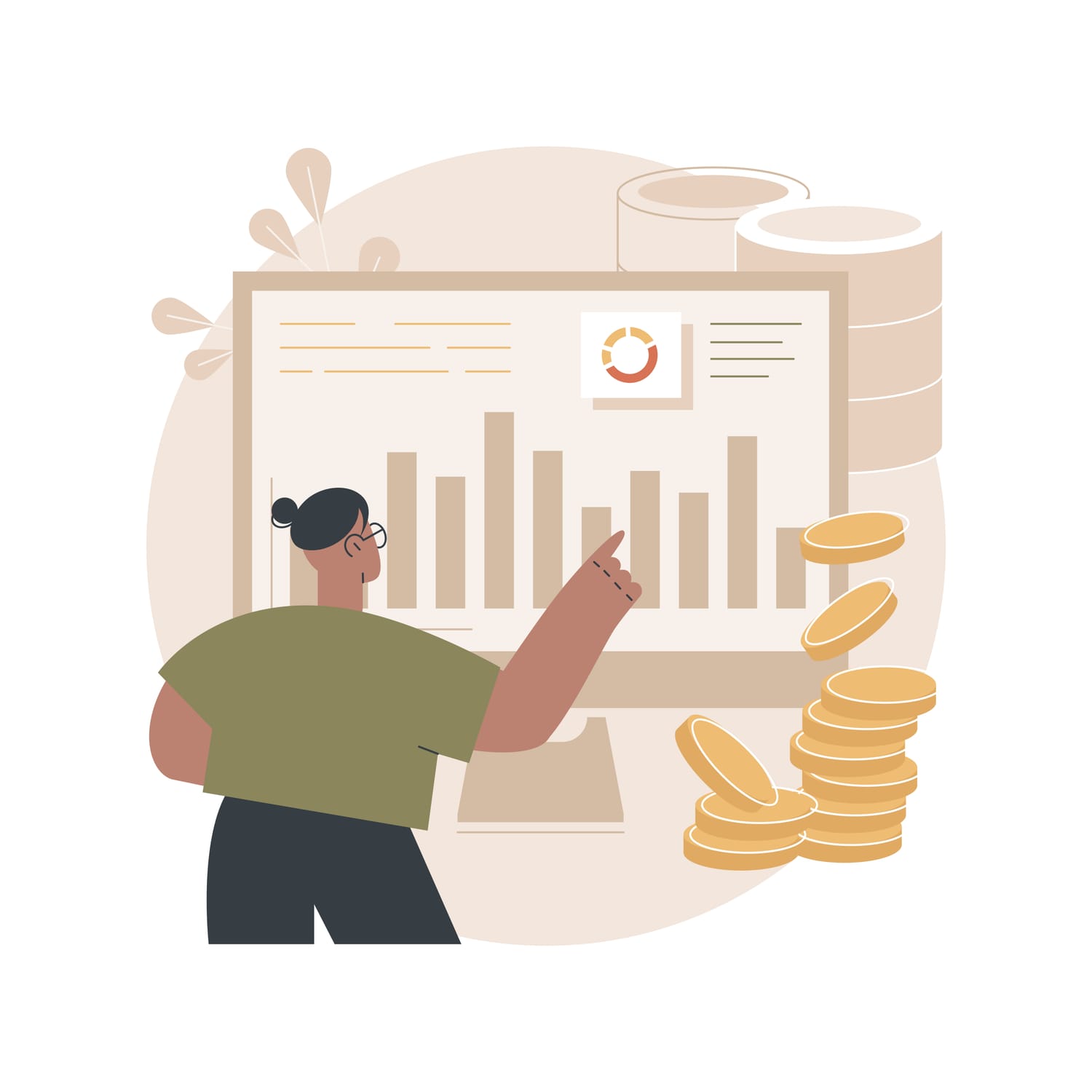
Every choice changes the numbers on the sheet.
When kids spend money or save money, their balance sheet changes immediately. This teaches them that every financial decision has a real, measurable consequence. It transforms "No, you can't have that" into "If you choose that, here is how it impacts your goals."
Cause and Effect
Seeing how a single purchase reduces cash but might increase assets in the long run.
Opportunity Cost
Understanding that money spent today is a choice against what it could have become tomorrow.
Positive Growth
The thrill of watching the "Assets" column grow through smart, consistent choices.
Logical Thinking
Moving from impulsive emotional spending to rational resource management.
At belmans4kids, we show children that these decisions aren't just about math — they're about the future they are building for themselves.
4. Saving and Growing Assets Matters

Building habits that lead to long-term success.
When children save money or build something valuable, their assets grow. This visual representation of growth encourages saving habits, long-term thinking, and goal setting. It makes the abstract idea of "the future" feel tangible and rewarding.
When teaching these concepts, we often use the example of a "Digital Asset" like a custom game mod or a 3D model. These aren't just hobbies; they are assets they've created with their own time and skill. Recognizing that their time can be converted into valuable assets is the first step toward understanding entrepreneurship.
5. Understanding the Basics of Wealth Building
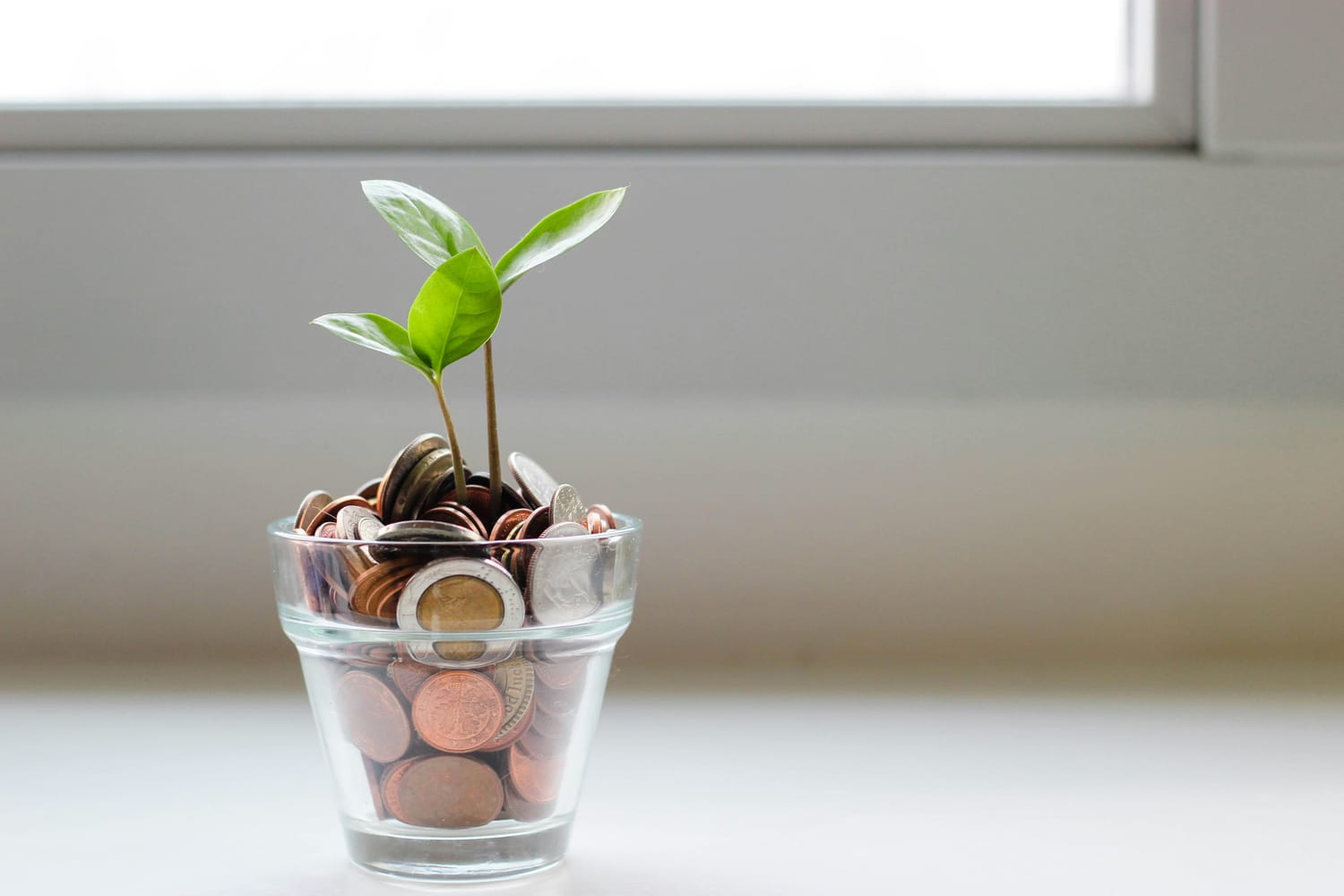
The foundation of true financial intelligence.
A balance sheet introduces the simple concept that wealth grows when assets increase and liabilities stay controlled. This becomes the foundation of financial intelligence that lasts a lifetime. It's not about how much you make; it's about how much you keep and grow.
belmans4kids provides a structured yet fun pathway for your child to master these tools, giving them confidence in the digital and financial world. We believe that financial literacy is a "superpower" that should be accessible to every child.
Final Thought
The
Final
Takeaways
Mastering the Balance
Financial Clarity
Balance sheets teach children the fundamental difference between what they own and owe.
Measurable Impact
Every financial decision has a measurable consequence that appears directly on their total worth.
Lifelong Habit
Early understanding builds smarter decision-making habits and long-term financial awareness.
Balance sheets may sound complex, but the lessons behind them are simple. When kids understand these ideas early, they begin to develop the responsible financial thinking and smarter decision making that will benefit them throughout life. As we look towards a future where digital and financial literacy are more important than ever, starting with a balance sheet is a brilliant first step.
Created by

Trisha SS Belman
Tutor, belmans4kids
Trisha SS Belman is an 11-year-old expert Tutor at belmans4Kids, inspiring children aged 6–16 to explore the digital skills shaping the future, from Scratch and game design to app development and AI. With over 5 years of experience in digital skills and more than 10,000 hours of hands-on learning and teaching experience, she brings energy, creativity, and peer-to-peer mentorship to every session.
View Portfolio


