

Introduction
Children learn mathematics in school. But most children never learn how money actually moves in real life. They may know how to add and subtract numbers, but they don't always understand where money comes from, where it goes, or how businesses make profit. This is where accounting for kids becomes powerful.
When children learn accounting early, they start thinking differently about money. It builds responsible thinking and practical life skills.
1. Kids Understand What Money Really Means

Grasping the true value of every rupee.
Accounting introduces children to simple yet foundation concepts that change their perspective on money entirely. Instead of seeing it as something just for spending, they see the flow.
- Income: Learning how money is earned through work, services, or smart management.
- Expenses: Understanding where money goes and why tracking is essential.
- Profit & Loss: Seeing the big picture of every financial choice made.
This helps them understand that money is not unlimited. They start seeing how money moves in real life, which is a critical skill for accounting for kids.
2. Kids Learn to Track Where Money Goes

The habit of tracking is the secret to financial success.
Daily Spend Awareness
Children begin to notice exactly how much they spend on small treats versus bigger goals.
Categorizing Expenses
They learn to distinguish between what they "need" and what they "want."
Saving Opportunities
By tracking, kids identify where they could save money for things they truly value.
Accounting teaches this important habit of tracking money early, building a sense of responsibility and awareness.
3. Kids Learn to Evaluate Prices

Developing a sharp eye for value and production costs.
When children understand basic accounting ideas, they begin asking analytical questions about the world around them.
Worth vs. Price
Is this product actually worth the price tag? Kids learn to weigh value beyond marketing.
Comparison Logic
Why is one product more expensive? They look deeper than the label to compare features.
Production Costs
They start asking what costs went into making an object, from labor to materials.
Smart Decisions
This builds the foundation for savvy, adult-level decision making in everyday life.
This develops analytical thinking about value, making accounting courses for kids incredibly practical for daily life.
4. Kids Understand How Businesses Work
Accounting helps children understand the core logic of a business. They see that it's not just about selling, but about balancing costs and earnings.
Business Growth Mechanics
Cost of Production
Selling Price
Net Profit
This is the foundation of entrepreneurship. Kids begin to see how businesses operate, a key benefit of accounting for kids at belmans4kids.
5. Accounting Connects Math to Real Life
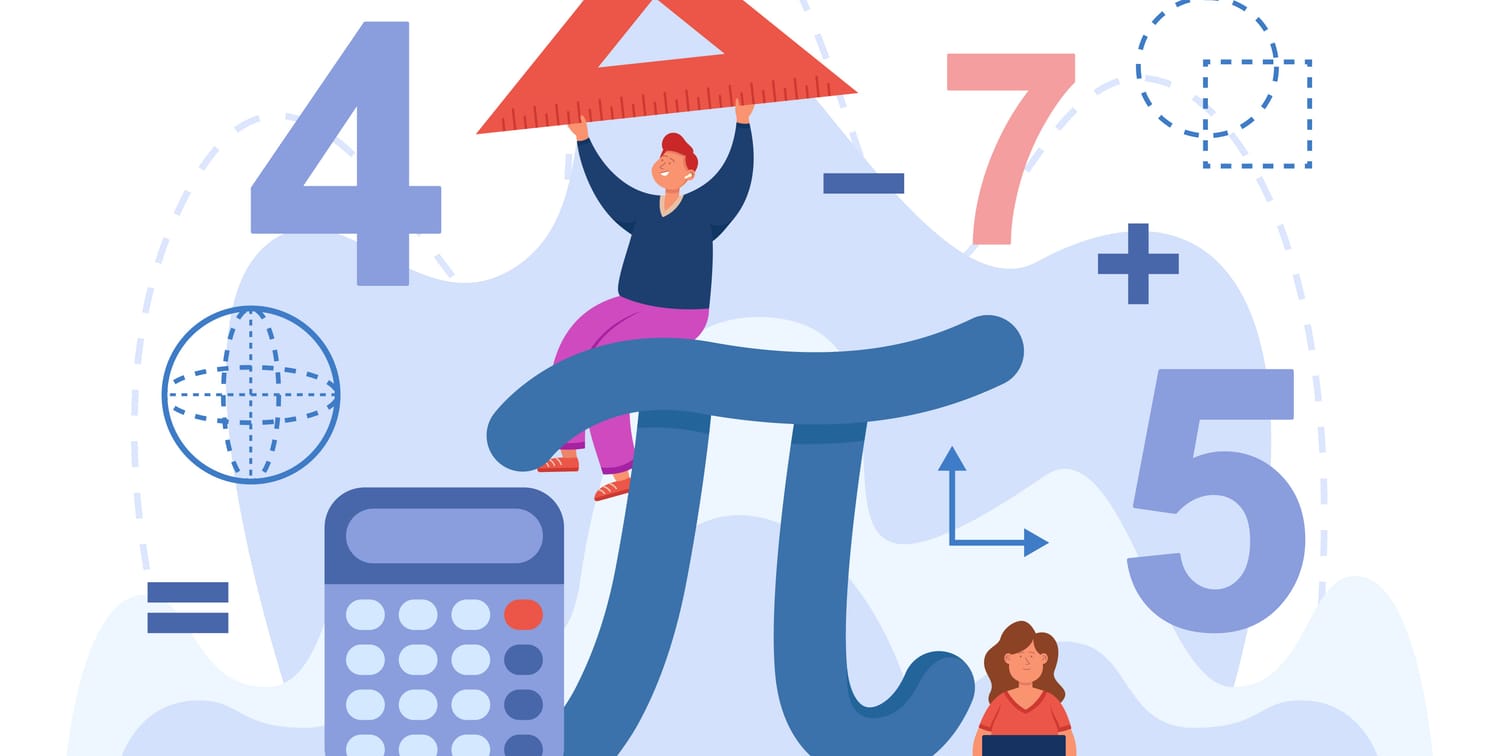
Turning abstract school math into practical, exciting tools.
Children often ask: "When will we use math in real life?" Accounting answers that question definitively. It uses math for practical purposes:
So math becomes practical and meaningful. belmans4kids provides a structured pathway for your child to master these skills, turning school math into a superpowers.
Wrapping Up
🎯 Key Takeaways
Financial Mastery
Accounting builds responsible money habits, analytical thinking, and global business awareness.
Future Proofing
Early exposure to money flow prepares children for future success as entrepreneurs or investors.
Math in Action
Learning accounting for kids turns abstract school math into a high-utility life tool.
Helping children understand accounting early can build confidence, responsibility, and practical life skills. Because when kids understand how money works, they learn how to make better decisions for the future.
If you're ready to see your child's imagination and financial sense come to life, belmans4kids offers an online enrolment — a perfect, risk-free way to start!
Created by

Trisha SS Belman
Tutor, belmans4kids
Trisha SS Belman is an 11-year-old expert Tutor at belmans4Kids, inspiring children aged 6–16 to explore the digital skills shaping the future, from Scratch and game design to app development and AI. With over 5 years of experience in digital skills and more than 10,000 hours of hands-on learning and teaching experience, she brings energy, creativity, and peer-to-peer mentorship to every session.
View Portfolio


