
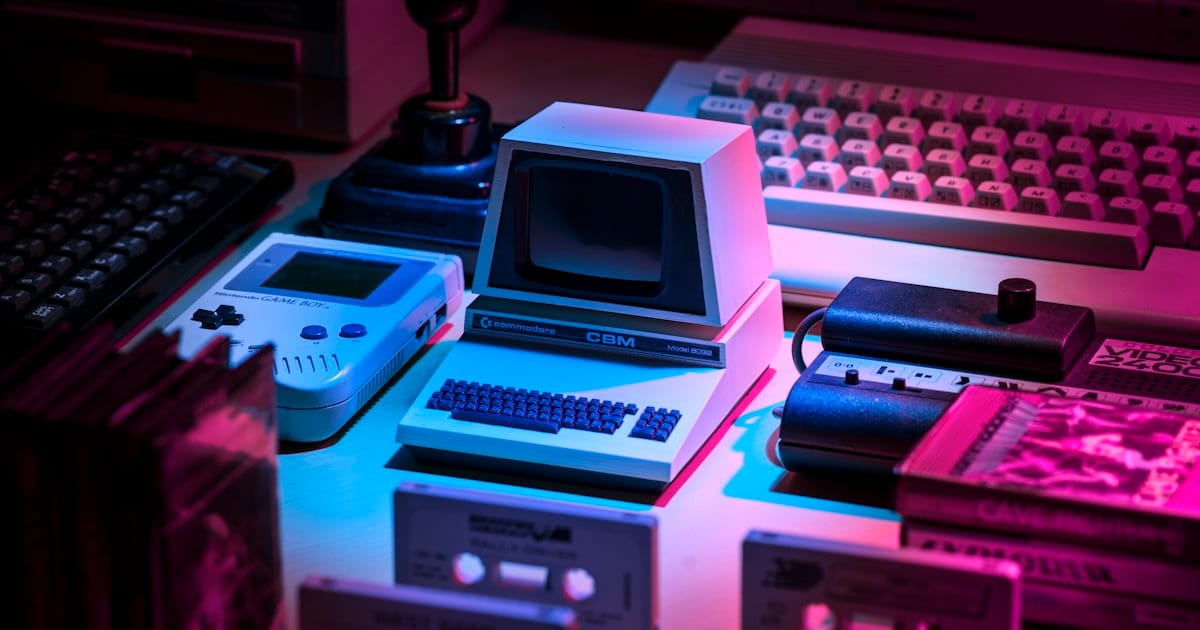
The "Big Switch": Playing vs. Creating
We've all seen it—a child completely absorbed in a game. But what if they were the ones who decided how high the character jumps or what's inside the treasure chest? This is the "Big Switch." When children move from playing to creating, they stop being just users of technology and start being digital architects.
"Think of game development like 'Digital LEGOs'. It's not just about the final toy; it's about the incredible brain-building that happens while you're putting the pieces together."
1. The Logic Puzzle: Thinking Like an Engineer
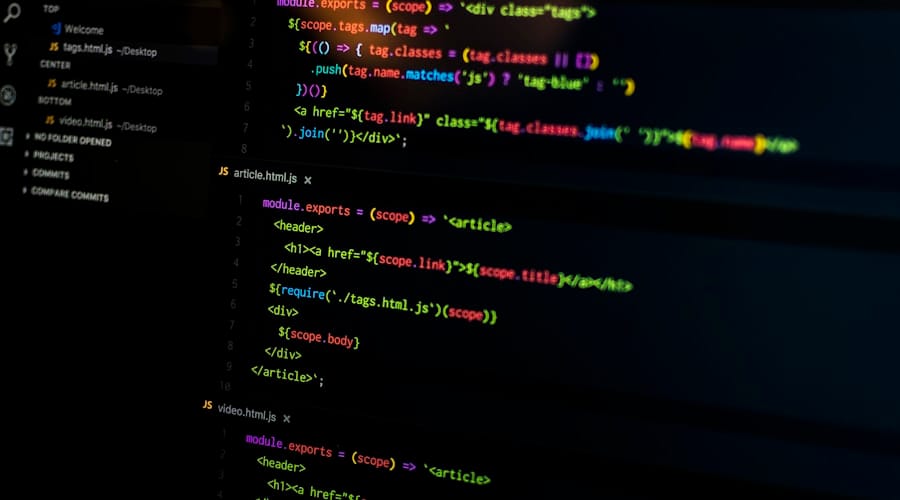
Building a game is like writing a detailed recipe for a robot. If you want the character to move right, you have to give the computer a step-by-step instruction. This teaches kids the "language of logic."
- ✓ Breaking down big goals: Turning a "game idea" into small, doable tasks.
- ✓ Step-by-step thinking: Learning that the order of instructions matters.
- ✓ Attention to detail: Finding that one tiny mistake that makes a big difference.
2. Being the Director: Narrative & Storytelling

In game dev, your child is the Movie Director, Writer, and Artist all at once. They don't just "code"—they create characters with feelings, worlds with history, and adventures with stakes.
World Building
Creating a universe from scratch, from the colors of the sky to the rules of gravity.
Character Design
Giving life to heroes and villains through art and personality.
3. "Magic Math": STEM Made Fun

Ask a child about algebra, and they might groan. Ask them how to make a ball bounce realistically, and they'll use Physics and Geometry without even realizing they're "learning." Math stops being a textbook chore and starts being a superpower that makes things move.
4. The "Power of Yet": Building Resilience

In gaming, when you lose a life, you hit "Restart." In game development, when the code doesn't work, we call it a "bug" and we fix it. This teaches children that failure is just part of the process. If something doesn't work, it's not that they "can't do it"—it's just that they haven't solved the puzzle *yet*.

🎯 Quick Summary
- 01 Passive to Active: Shifting from screen-time consumption to creation.
- 02 Real Skills: Learning logic, art, and math through fun projects.
- 03 Resilience: Learning that every "mistake" is just a puzzle to solve.
Belmans4Kids is here to guide your child on this journey. Our courses are designed to make tech education fun, empowering, and truly simple.

Kshithij Anand Belman
Tutor, Belmans4Kids
Kshithij is passionate about helping kids aged 6-16 master the digital skills of tomorrow. He makes complex topics feel like a fun game!
View Portfolio


