
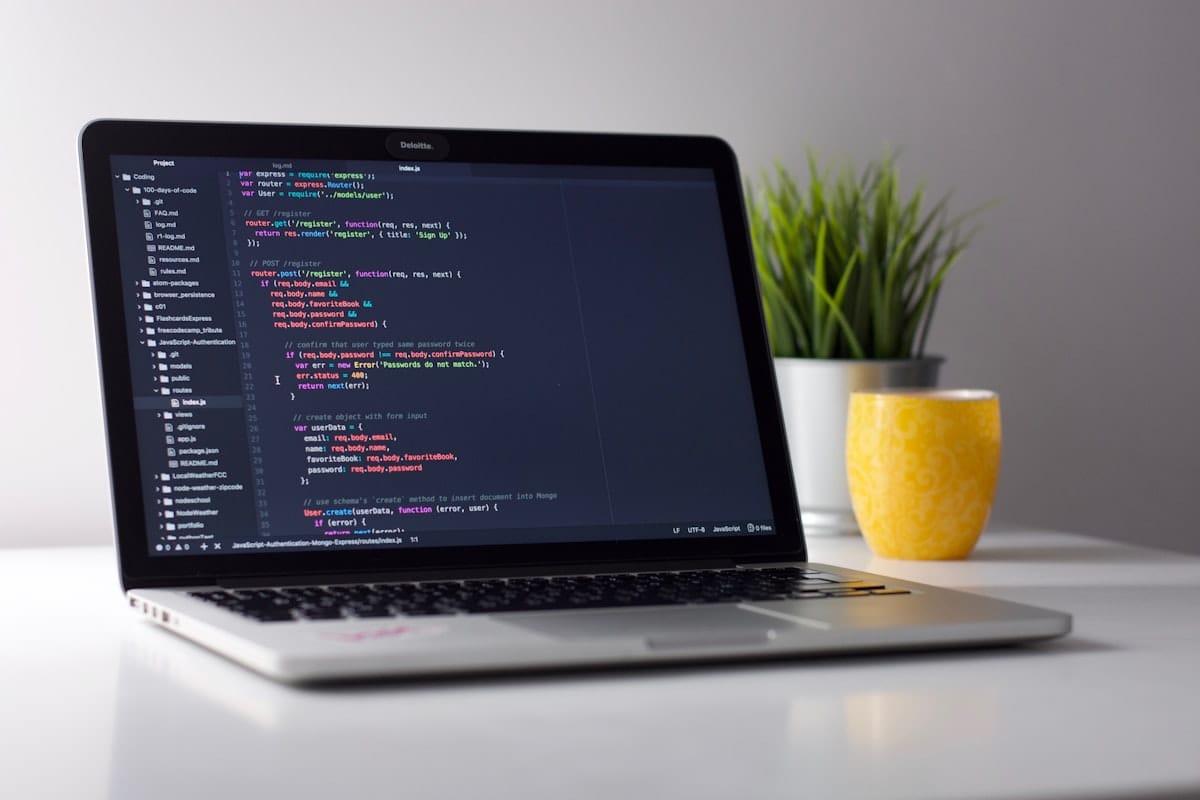
For decades, coding was seen as a technical specialty—a "niche" skill reserved for engineers and computer scientists. But today, that view is as outdated as a dial-up modem.
As we move deeper into the 21st century, coding is emerging as a foundational literacy. Just as reading and writing became essential for participation in the industrial world, understanding "the language of the machines" is becoming vital for life in the digital age. It’s no longer about turning every child into a software developer; it’s about giving them the tools to understand, navigate, and shape the world they live in.
1. From Passive Users to Active Creators
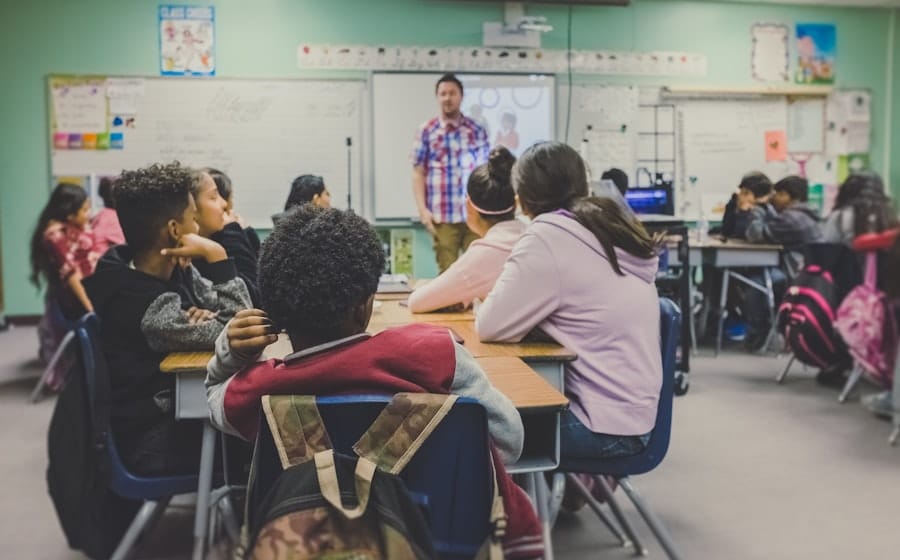
Empowerment starts when kids move from 'swiping' to 'building'.
Most children today are digital natives, but they are often passive consumers. They know how to swipe on a tablet, play a video game, or scroll through social media. However, being a passive user of technology is not the same as being digitally literate.
When a child learns to code, the "magic" behind the screen disappears, replaced by a sense of agency. They realize that every app, every game, and every website was built by someone—someone with an idea and the tools to execute it. This shift in perspective is profound. Instead of asking, "What can this app do?", they begin to ask, "How could I make this app better?"
This transformation from consumer to creator fosters a mindset of innovation and entrepreneurship. It teaches children that technology is a canvas for their imagination, not just a black box that provides entertainment.
2. Understanding the Logic of Our World
Learning the 'physics' of the digital world helps kids navigate modern life with clarity.
We live in a world governed by algorithms. From the way our news feeds are curated to the path a self-driving car takes, invisible logical systems are making decisions every second. If you don't understand the basics of how these systems work, you are at a disadvantage in modern civic life.
Learning to code is like learning the "physics" of the digital world. It helps children understand:
- Cause and Effect: If x happens, then y must follow.
- Data Privacy: How information is collected and used.
- Algorithmic Bias: Realizing that machines only follow the instructions (and biases) given by humans.
By demystifying technology, we prepare children to be informed citizens who can question and improve the systems that surround them.
3. Fostering "Procedural Literacy"

Procedural thinking helps children break down complex problems into solvable steps.
At its heart, coding is the ultimate exercise in logic. Educators call this procedural literacy—the ability to understand and express processes. It’s a way of thinking that involves breaking down a massive, overwhelming problem into a series of small, manageable, logical steps.
If a child wants to make a character jump in a game, they can't simply say "Jump." They have to define:
- The starting position on the Y-axis.
- The upward velocity when the spacebar is pressed.
- The force of gravity pulling the character back down.
- The detection of the floor to stop the fall.
This type of rigorous reasoning strengthens a child's ability to tackle any complex task, whether it's writing a structured essay, planning a science experiment, or managing a project later in life. It transforms "I can't do this" into "I just haven't figured out the steps yet."
4. Coding as a Modern Liberal Art

Coding is a medium for self-expression, allowing kids to bring their wildest ideas to life.
Historically, a "liberal arts" education was meant to provide the general knowledge and reasoning skills needed for a free person to participate in public life. Today, coding fits perfectly into that definition. It is a tool for self-expression and communication.
Think about art, music, or literature. Coding allows a child to create digital art that reacts to sound, games that tell branching stories, or apps that solve community problems. It is a medium of expression that combines the precision of mathematics with the freedom of creative design.
Moreover, it teaches persistence. In coding, "bugs" are not failures; they are puzzles. A child who can spend an hour debugging a script without getting discouraged is developing a level of grit and resilience that will serve them in any career—be it medicine, law, or the arts.
5. Preparing for the Automated Future
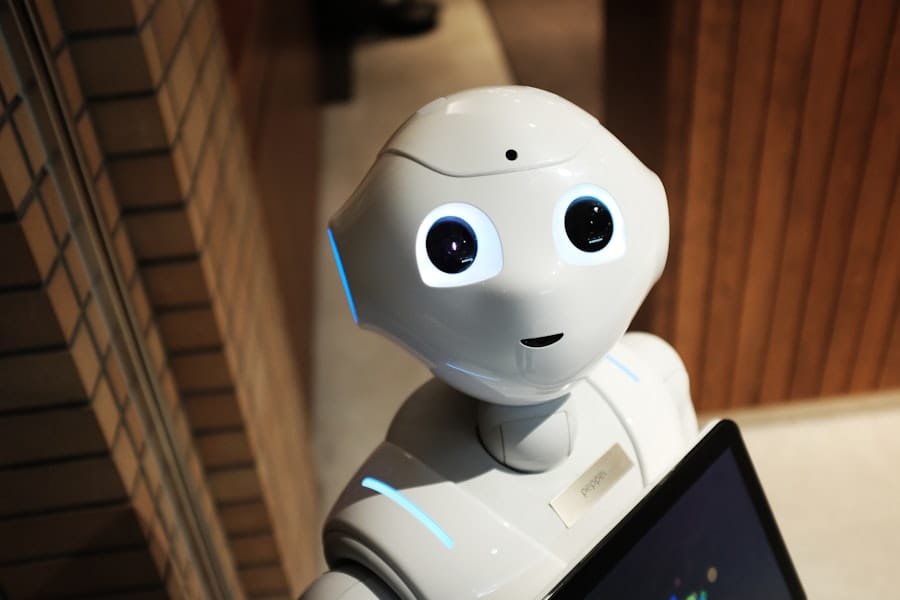
Understanding the internal workings of tech is the best way to thrive alongside automation.
We are currently witnessing the most significant shift in the job market since the Industrial Revolution. Robotics, Artificial Intelligence (AI), and automation are no longer science fiction—they are here.
Many parents ask: "If AI can write code now, why should my child learn it?" The answer is simple: Understanding how the code works is more important than ever. We don't need a generation of people who can only "copy-paste" from an AI; we need a generation that can direct, audit, and innovate alongside these powerful tools.
By learning to code, children develop the career resilience needed to adapt. They won't just be looking for a job; they will have the skills to create their own opportunities in a world where tech-fluency is the universal baseline.
Conclusion: The Path Forward
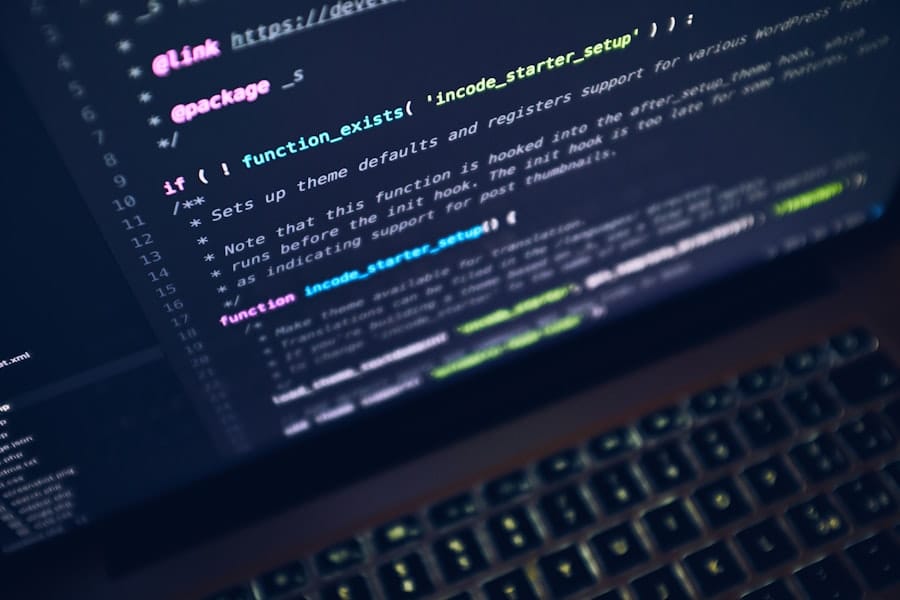
Coding isn't just about syntax, semicolons, or high-paying salaries. It is about perspective. It gives children the ability to see the world as a place they can modify, improve, and understand.
At Belmans4Kids, we believe the best way to teach these skills isn't through dry textbooks, but through creative, interest-driven projects. Whether it’s building their first 3D game or designing an app, the goal is to light a spark that turns a curious child into a lifelong creator.
The digital world is already here. Is your child ready to help build it?

Kshithij Anand Belman
Tutor, Belmans4Kids
Passionate about teaching the next generation of creators how to master 3D design, coding, and the digital tools of tomorrow.


